Restoring a Native Treasure – Growing a Resilient Watershed
The need for native river cane has never been greater. Since Helene devastated Western North Carolina, restoration practitioners and property owners have faced a shortage of this essential plant for rebuilding resilient streambanks. RiverLink is creating a dependable regional supply to support recovery and long-term watershed restoration.
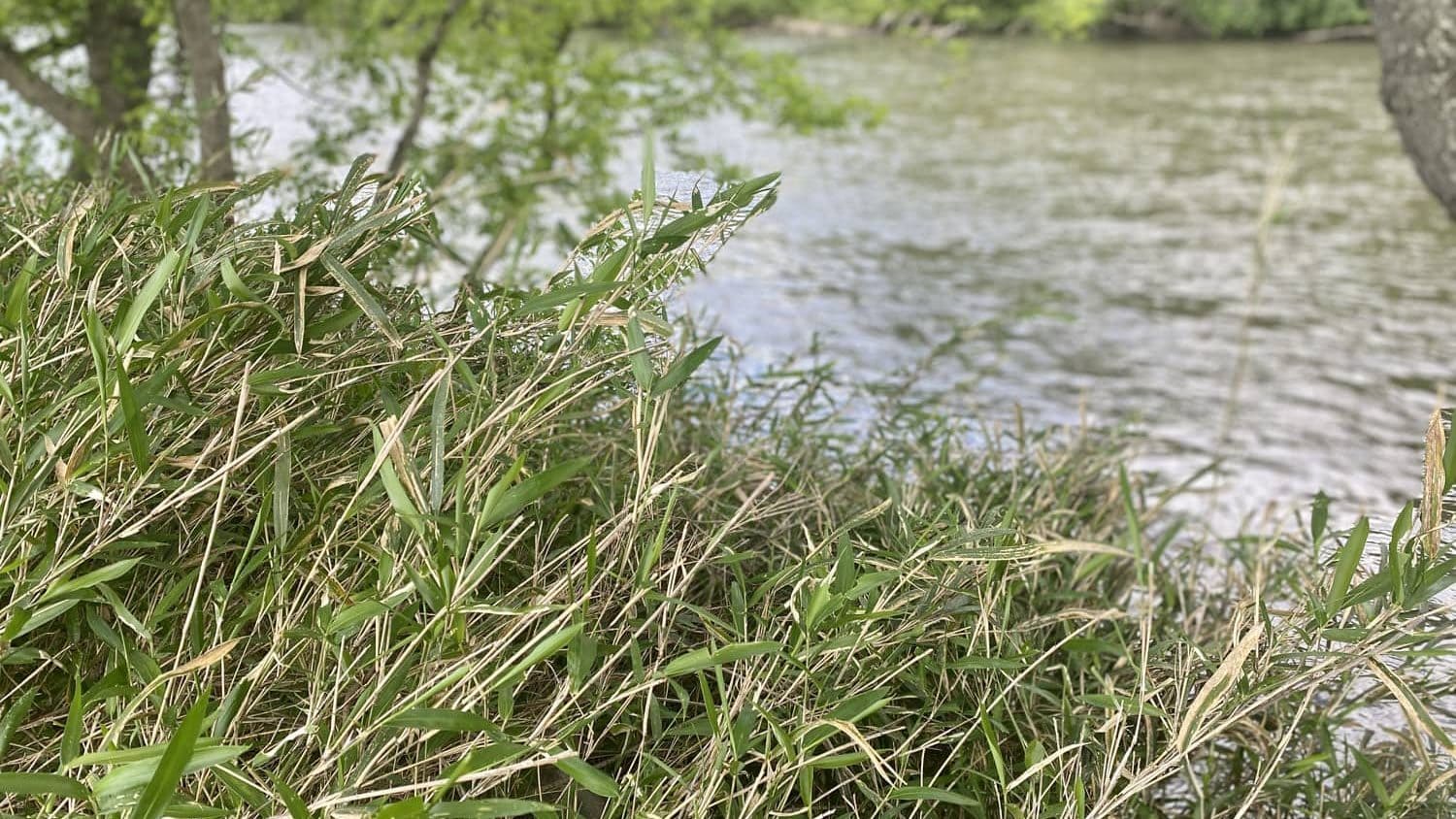
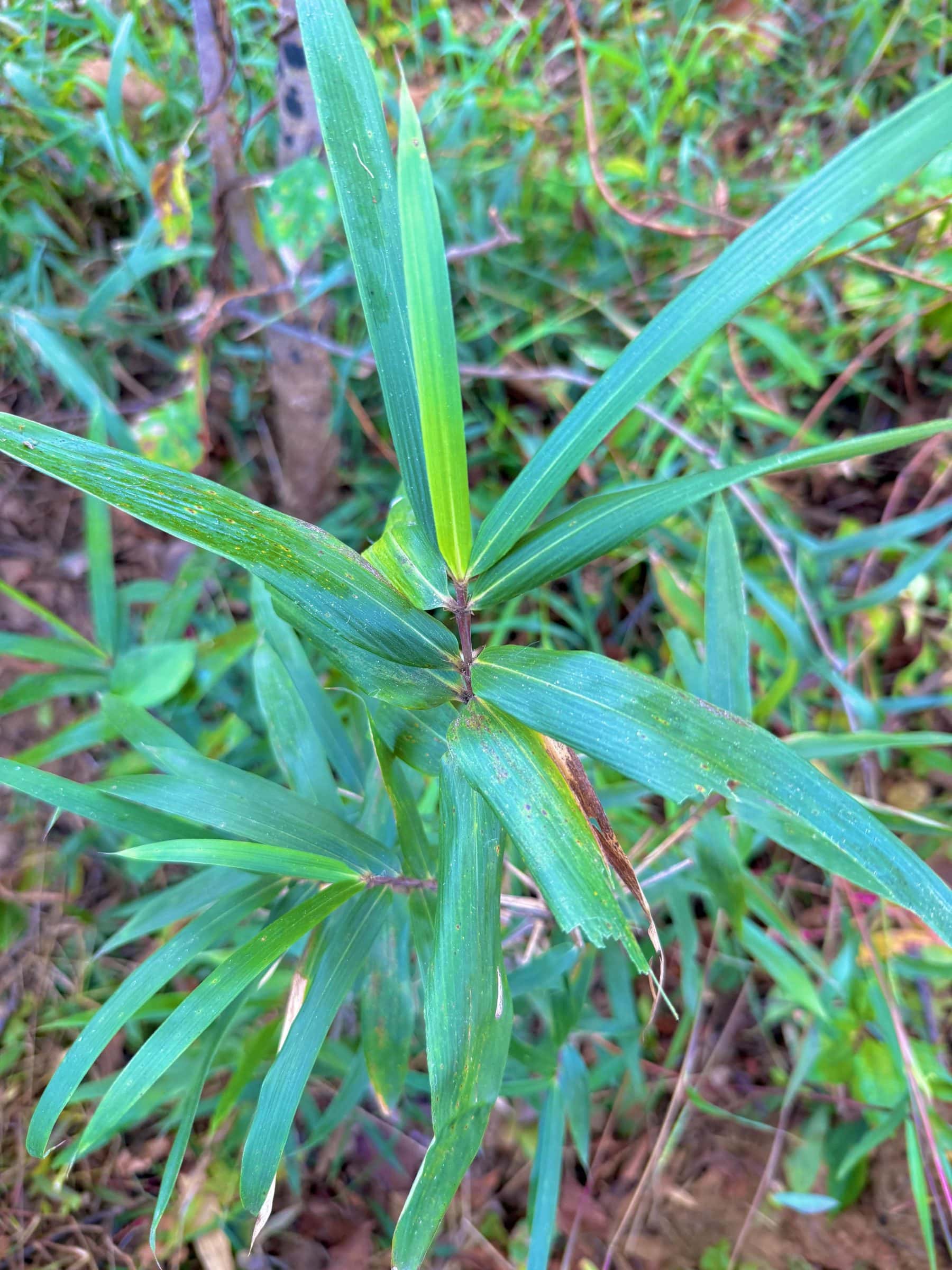
River cane (Arundinaria gigantea), one of the Southeast’s only native bamboos, once lined creeks and rivers across the region in dense plantings known as “canebrakes”. Today it covers less than 2% of its historic range, pushed out by agriculture and development. A commercial source for river cane does not currently exist.
That’s a serious problem, because river cane does something few other plants can:
- Holds streambanks together. Its dense, interlocking root system anchors soil against flooding and erosion.
- Filters pollution. Canebrakes slow stormwater and traps pollutants before they reach the stream.
- Supports wildlife. It provides critical habitat for mammals, migratory birds, and at least six butterfly species.
- Carries deep cultural significance. For centuries, the Eastern Band of Cherokee Indians and other tribes have used river cane for baskets, fish traps, arrow shafts, and more.
Our Solution: Building a Supply Chain from the Ground Up
RiverLink has secured grant funding from the Truist Foundation Western NC Recovery and Resiliency Fund (via the Center for Disaster Philanthropy) and from the Resilient Futures Co-Lab to launch a two-year pilot project that turns river cane into a viable commercial crop. Here’s how it works:
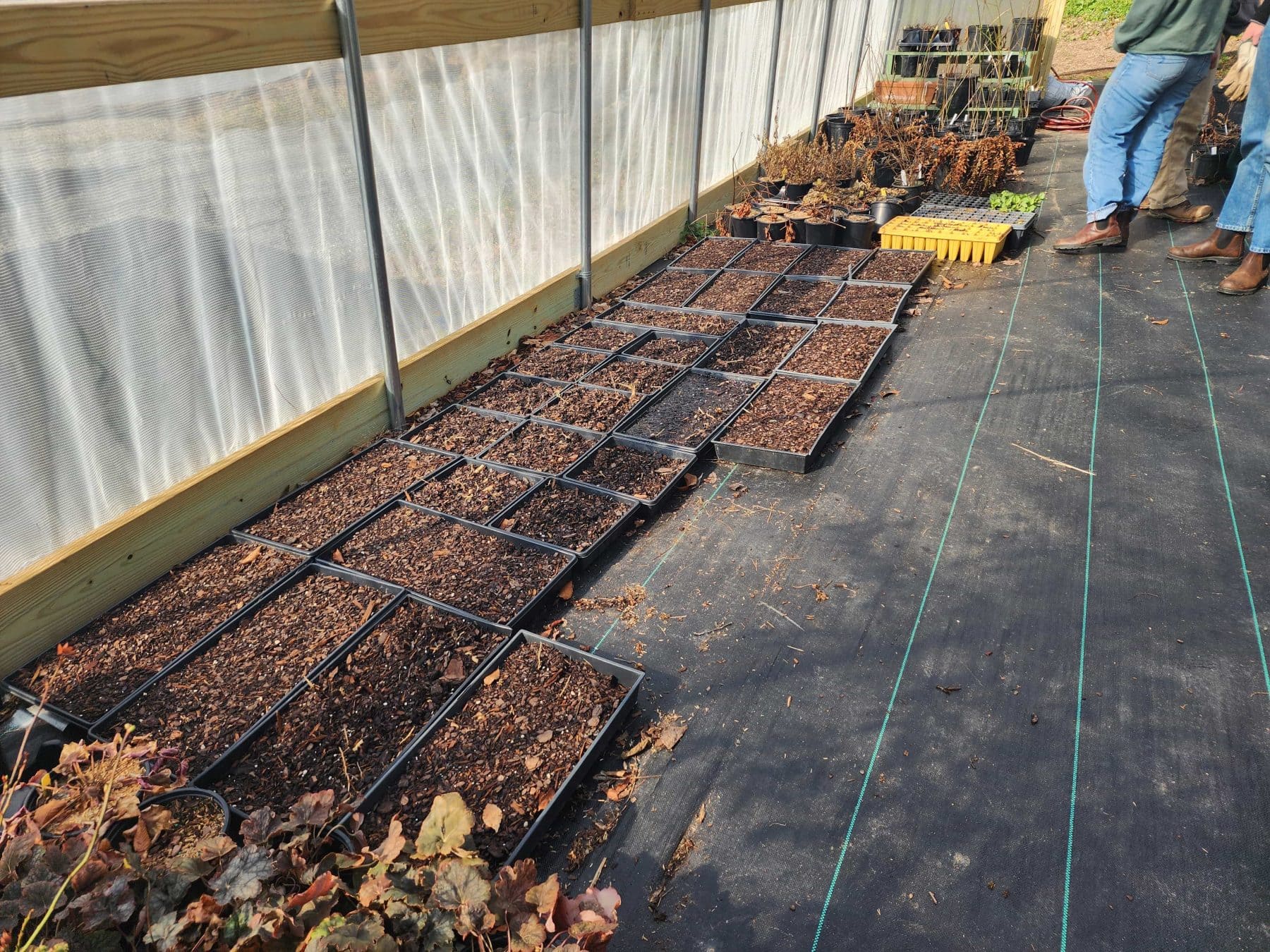
- Recruit growers. We’re partnering with up to three regional nurseries ready to grow river cane at scale.
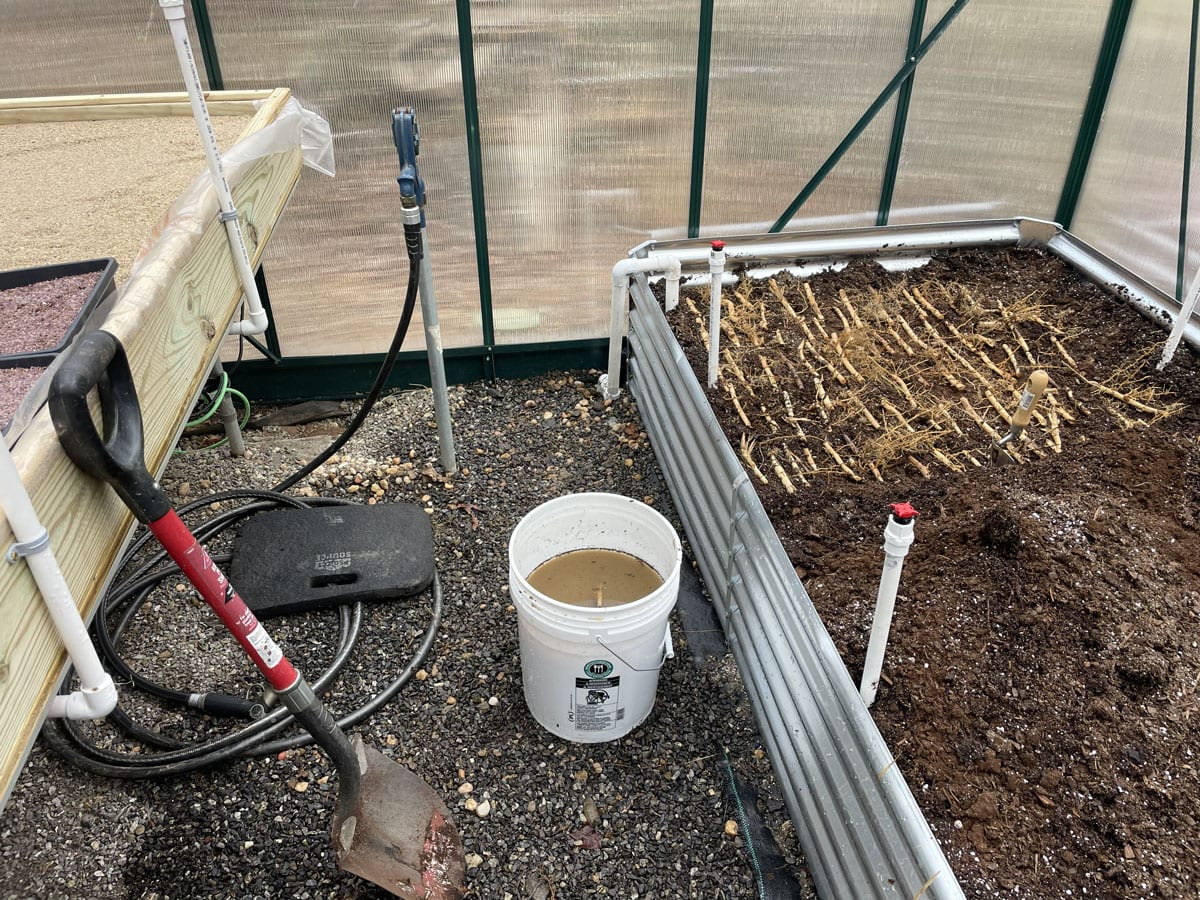
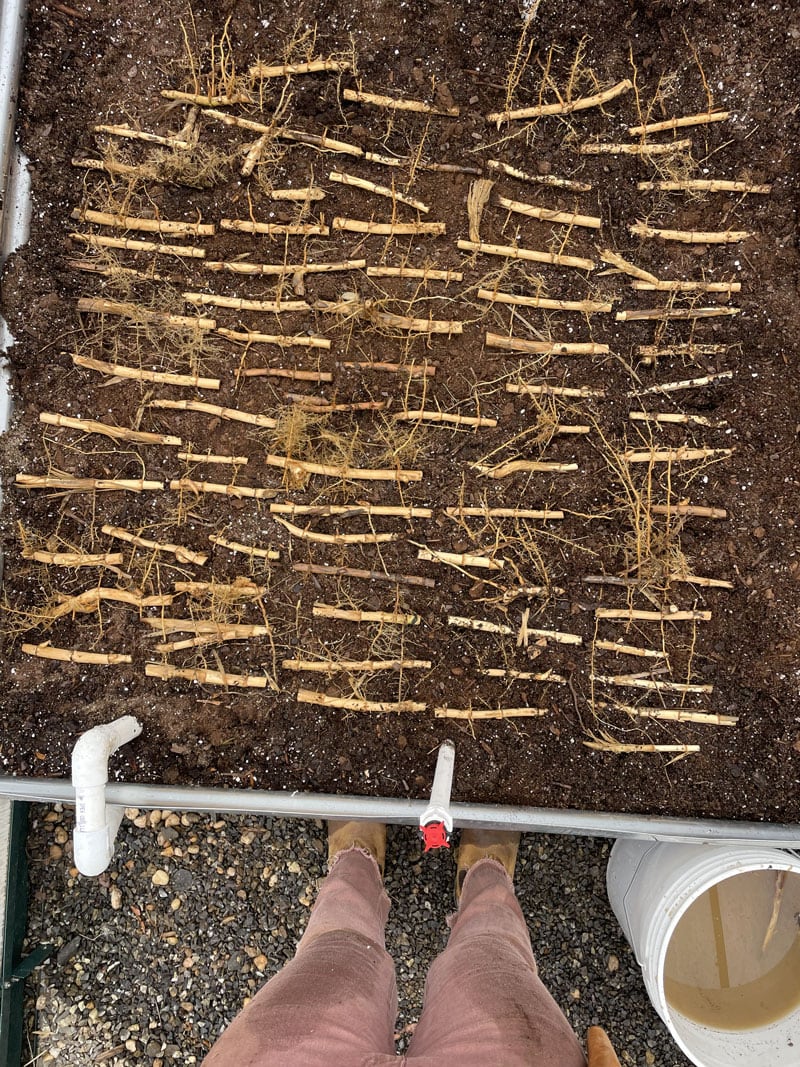
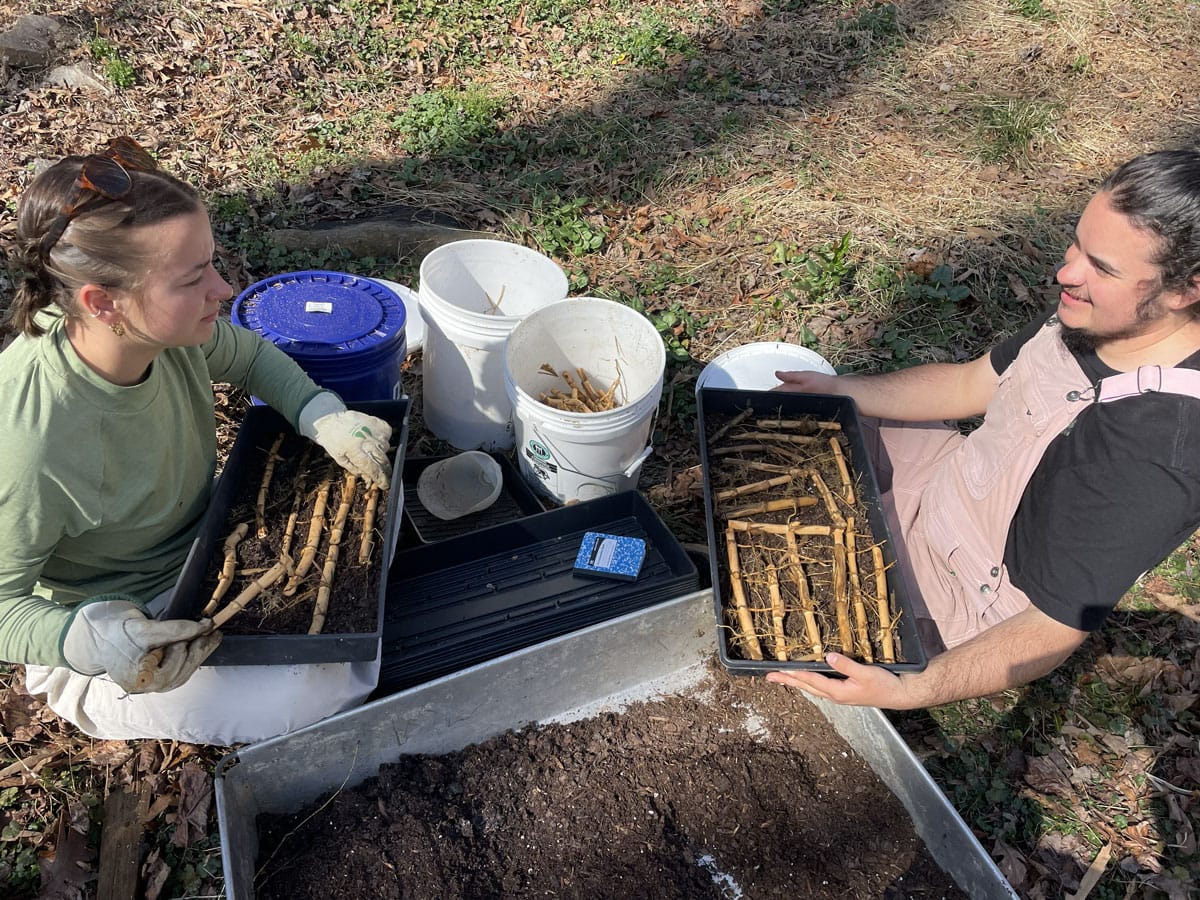
- Train and support. Growers learn proven techniques for propagating river cane from root cuttings.
- Document and standardize. Collect data and create industry standards for commercial river cane propagation, published for growers across the eight-county French Broad River Basin and beyond.
- Connect to buyers. We link participating growers to RiverLink’s network of restoration practitioners and nonprofit partners, creating real demand and a sustainable market.
Emily Driskill, owner of Tanager Plants, is one of the participating growers:
“As a native plant grower, I’ve been drawn to work with river cane plants for years, but was not sure of the best way to get involved. I’m so happy that RiverLink was awarded this grant and looped me into their project. River cane is an important species both ecologically and culturally, and I’m really excited to get to know it better and help others understand this plant’s special place in the world.” — Emily Driskill, Owner, Tanager Plants
Momentum Already Underway
This pilot builds on work already in progress:
- Since January 2025, RiverLink’s Adopt-A-Stream program has restored over 3 miles of streambank across five counties (Transylvania, Henderson, Buncombe, Madison, and Yancey) using natural materials like coir matting and native plants.
- In partnership with Asheville Botanical Gardens and the EBCI NC Cooperative Extension, RiverLink delivered hundreds of root-cutting-grown river cane plants to Yancey County in 2025.
- With support from the Cherokee Preservation Foundation’s RTCAR program, river cane has been transplanted at two RiverLink parks, where Cherokee artisans will eventually be able to harvest it once the stands mature.
Why It Matters
Every new grower who joins us means more river cane available for restoration and stronger, more resilient streambanks for the next flood. This project builds an economic pathway for growers, a reliable supply for practitioners, and a healthier French Broad watershed for all.
“Restoring river cane will help build long-term recovery and resilience of the human communities of the French Broad. We look forward to getting the plants into more hands, and more stream banks.” — Renee Fortner, Director of Programs, RiverLink