Room to Roam: Investing in Flood Resilience + Public Access
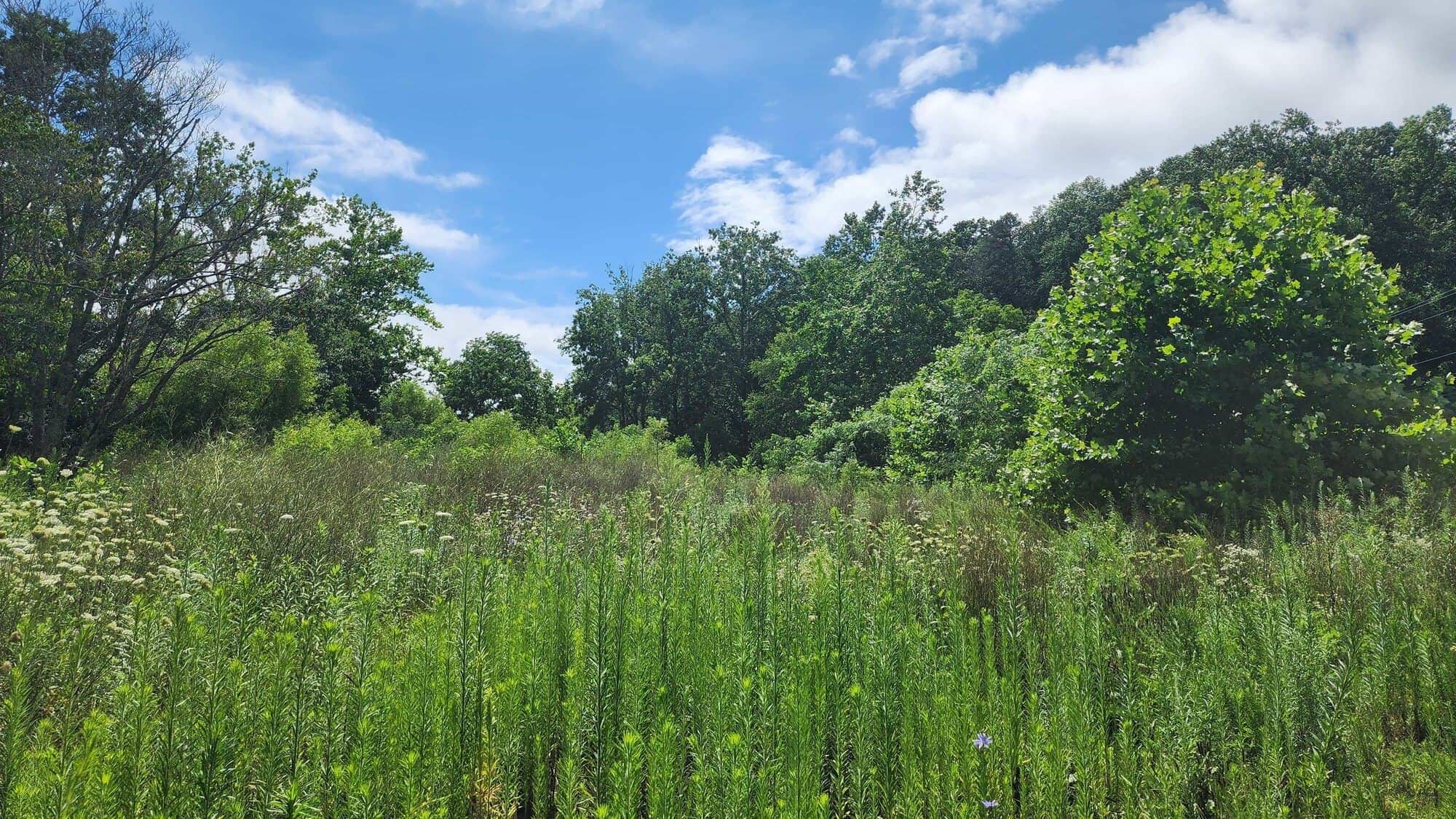
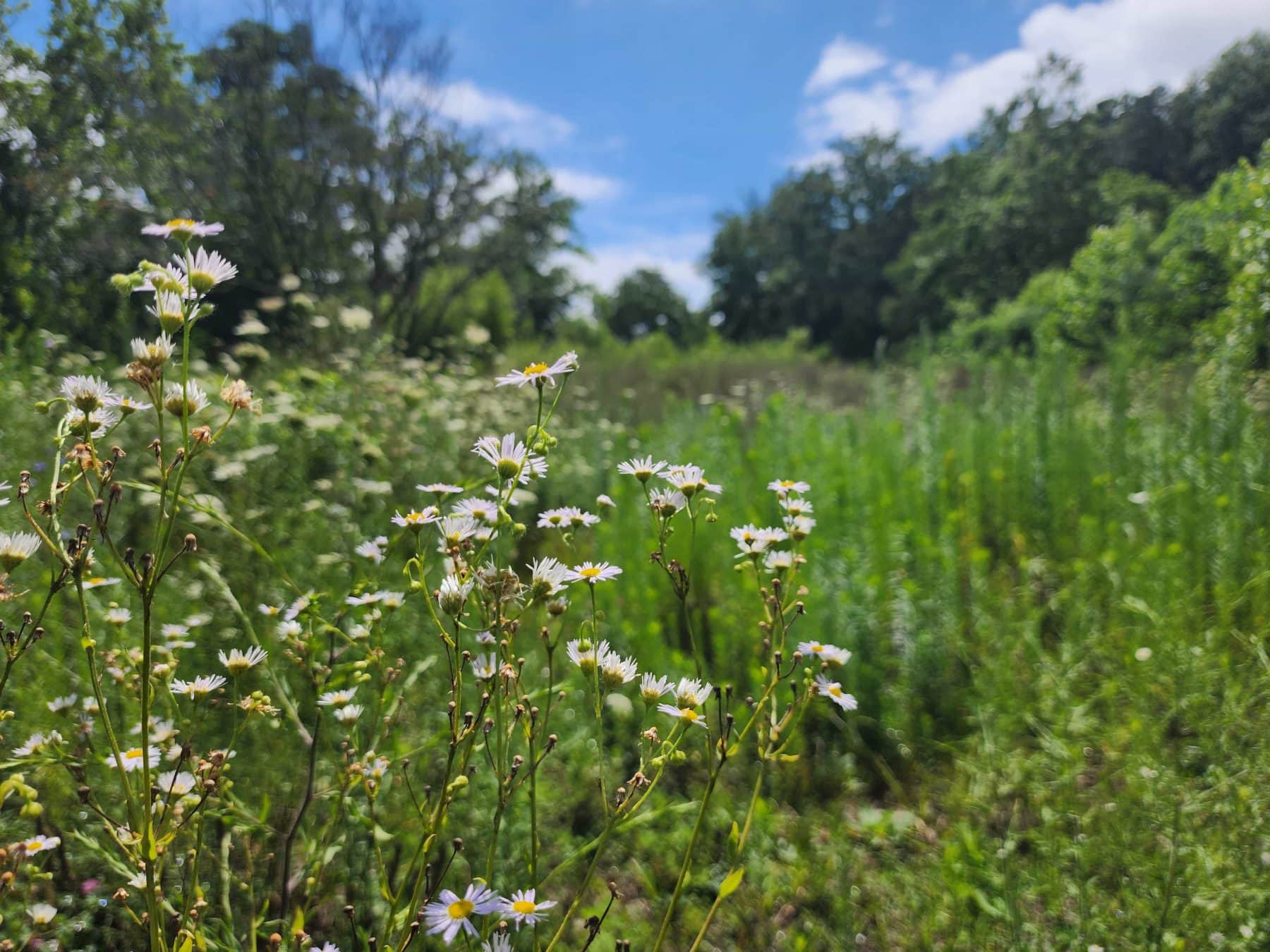
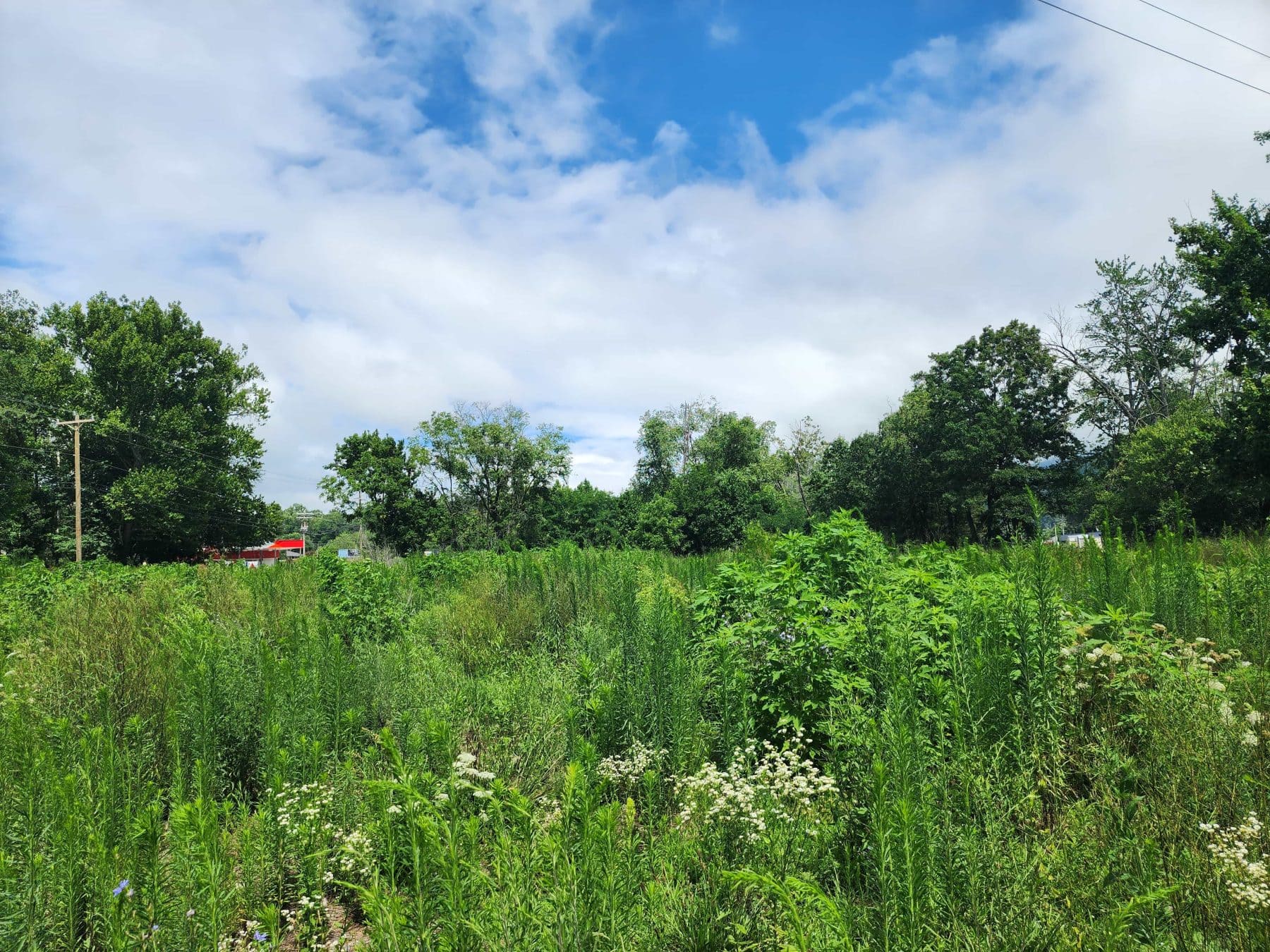
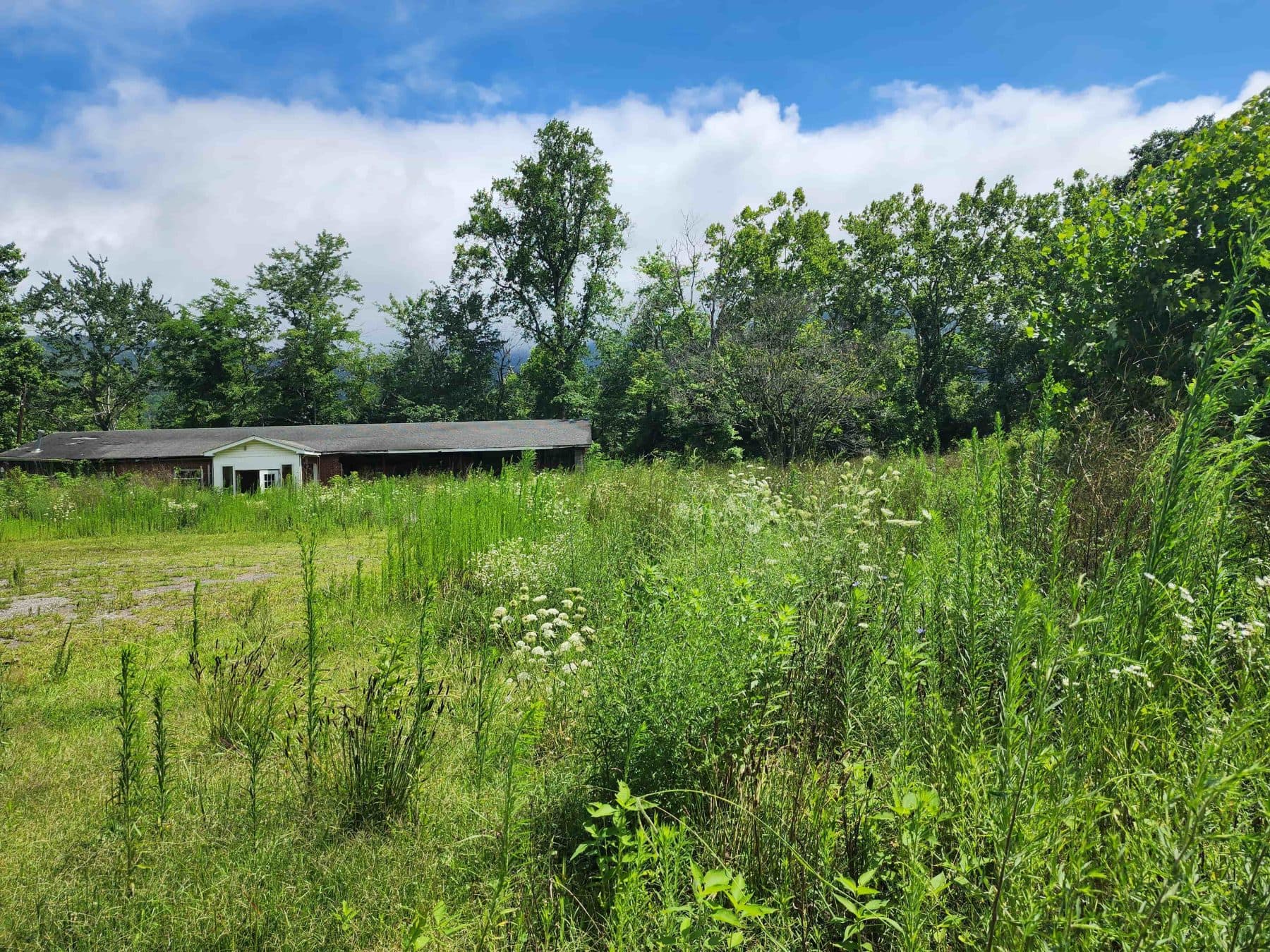
RiverLink has acquired 4.45 acres in the heart of Swannanoa with funding from the NC DEQ Flood Resiliency Blueprint. The property will become an important piece of Swannanoa’s future—a place where people can eventually enjoy nature, gather, and connect with the river, while the landscape itself helps protect the community from flooding. RiverLink’s first priority is restoring the property to better accommodate floodwaters, with plans to pursue additional funding for public access and passive recreational amenities shaped by community input.
This property was once the home of the Swannanoa Woodmen of the World Chapter, a civic organization that served the community in a variety of ways for generations providing support for local schools, first responders and police, as well as homeless shelters and food insecure families. The property was also once a prominent landmark well known for its duck pond. This property changed hands a few times within the private sector before experiencing extreme damage during Helene.
Project Goals
The first phase of the project will focus on giving floodwaters more room to spread out and slow down during major storms. RiverLink and its partners will reshape a portion of the property to create a broad, gently sloping area that can safely hold and move floodwater. This work will help reduce flood risk along Old Highway 70, which experienced significant damage during Helene. It will also restore some of the natural functions of the floodplain, creating healthier conditions for plants and wildlife.
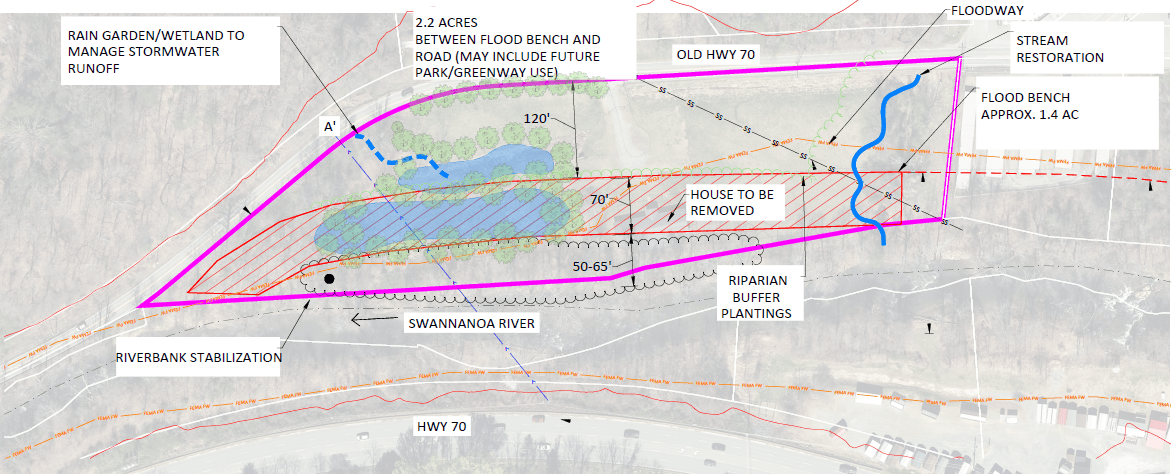
“Flood benches mimic and reestablish natural floodplains in areas that have been modified by human activity,” explains Jake McLean, project engineer with Wildlands Engineering. “These features provide storage of flood water while still allowing water to move, decreasing downstream flooding and promoting healthy ecological processes that clean water and enhance habitat. The goal is to allow water to move downstream without being backed up by obstructions and causing flooding on higher ground.”
More Ways to Build Resilience
The project will also include other improvements that help manage stormwater and protect the river:
- Nature based stormwater features: Swales, rain gardens, and other natural features will slow and filter runoff from Old Highway 70 before it reaches the Swannanoa River.
- Stream restoration: A small tributary on the property will be stabilized to reduce erosion and improve water quality.
- Native landscaping: Restored areas will provide habitat for native plants and wildlife while helping the property function more naturally during future storms.
Current Progress
With the property now acquired, RiverLink is providing “cues to care” for the site, including brush hogging and invasive plant management, currently underway. Flood benching and restoration construction is set to begin in early 2027. Future funding will be pursued to support passive recreational amenities on the property informed by public input.
A Catalyst for Regional Resilience
As the first post-Helene flood resilience project in Swannanoa, this project will serve as a highly visible demonstration for other landowners and public partners. This project has the potential to catalyze additional flood benching and restoration efforts throughout this flood-prone corridor and amplifying long-term flood resilience for the entire Swannanoa Valley.