Conserving Land and Water
Protecting Land Also Means Protecting Water Quality
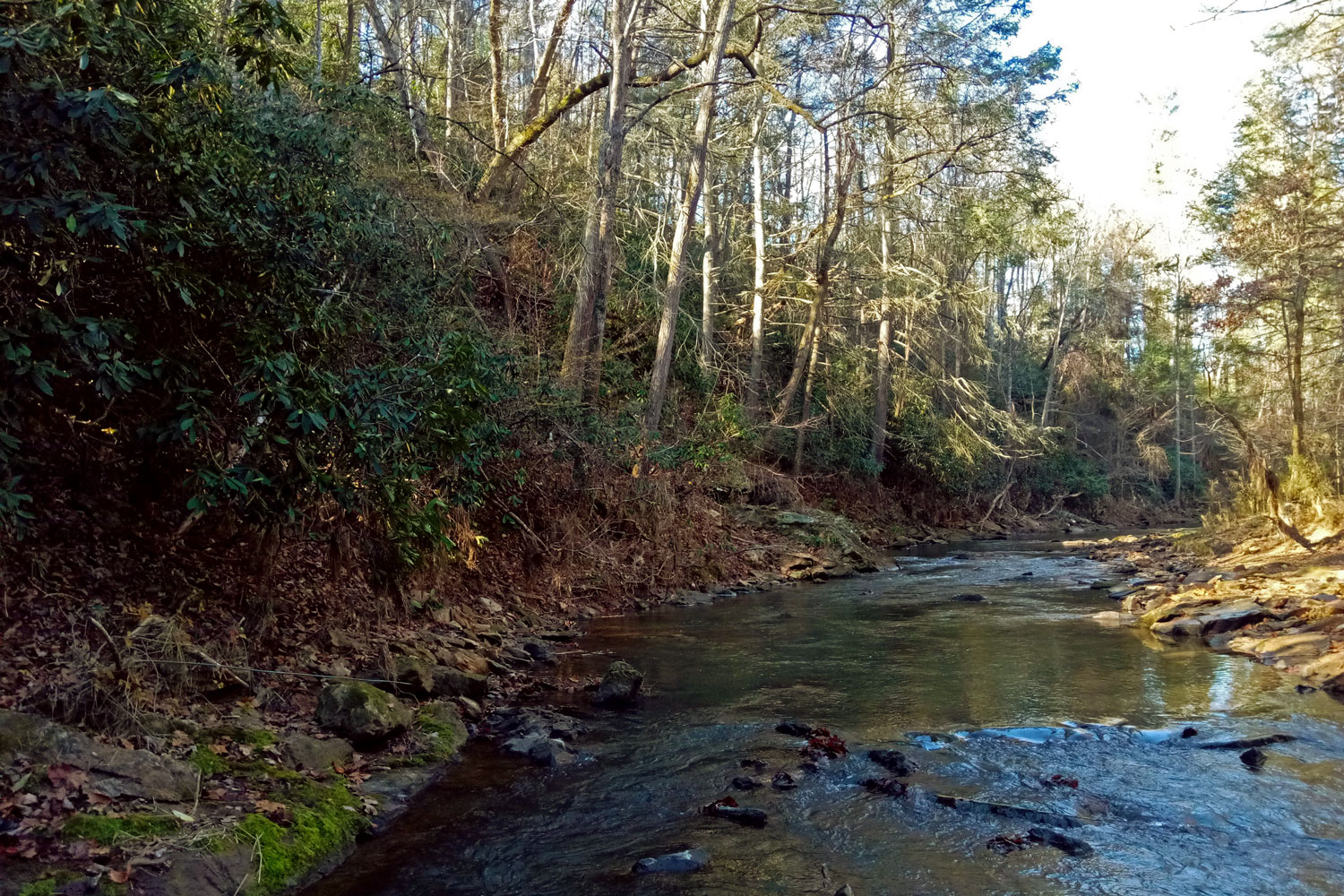
Since 2016, we have been an accredited land trust through the Land Trust Alliance, though we have operated as a land trust since our founding. We are unique among land trusts for our focus on protecting urban and semi-urban lands near waterways. Conserving these riparian and floodplain habitats is central to our mission, as protecting land also protects water quality. We work with landowners to establish conservation easements that allow them to voluntarily preserve land along streams and rivers. We also acquire land, primarily through donations, with a focus on remediating degraded urban parcels and transforming them into publicly accessible parks that lead with conservation.
Streams and rivers are negatively impacted by stormwater runoff, erosion, chemical pollution, and litter. Conserving land near waterways prevents development in these ecologically sensitive areas and can help capture pollutants before they reach our waterways. When we own land, we actively work to enhance its conservation values through invasive species removal, native habitat restoration, green stormwater management, and the creation and improvement of riparian buffers that protect water quality and support wildlife.
Conserving natural land also helps reduce the impacts of climate change. Trees and green spaces help mitigate the urban heat island effect, while permeable surfaces allow water to filter into the soil, replenishing groundwater supplies. This process can lessen the effects of drought and reduce runoff that contributes to flooding. By restoring and protecting riparian buffer zones, we strengthen the resilience of both river ecosystems and the communities that depend on them.
Our Conservation Focus Areas
As a small team, we are strategic in selecting the properties we protect and projects we undertake. Strong preference is given to land protection projects that:
- Present low potential for future challenges related to monitoring, management, or enforcement.
- Are located within the floodplain or riparian buffer of the French Broad River or one of its tributaries, particularly within watersheds with waterways identified as impaired under Section 303(d) of the Clean Water Act.
- Are proposed as North Carolina Land and Water Fund (NCLWF) stream restoration or stormwater improvement projects.
- Consist of high-quality, natural, and undeveloped lands with a stream or are adjacent to a waterway (e.g., contain endangered, threatened, or rare species identified by the Natural Heritage Program, or include primarily intact and healthy native habitat, particularly forested land).
- Have potential for ecological remediation and, when appropriate, public accessibility, if donated or acquired.
- Include a pledged contribution to RiverLink’s Stewardship Fund from the landowner or another funding source.