
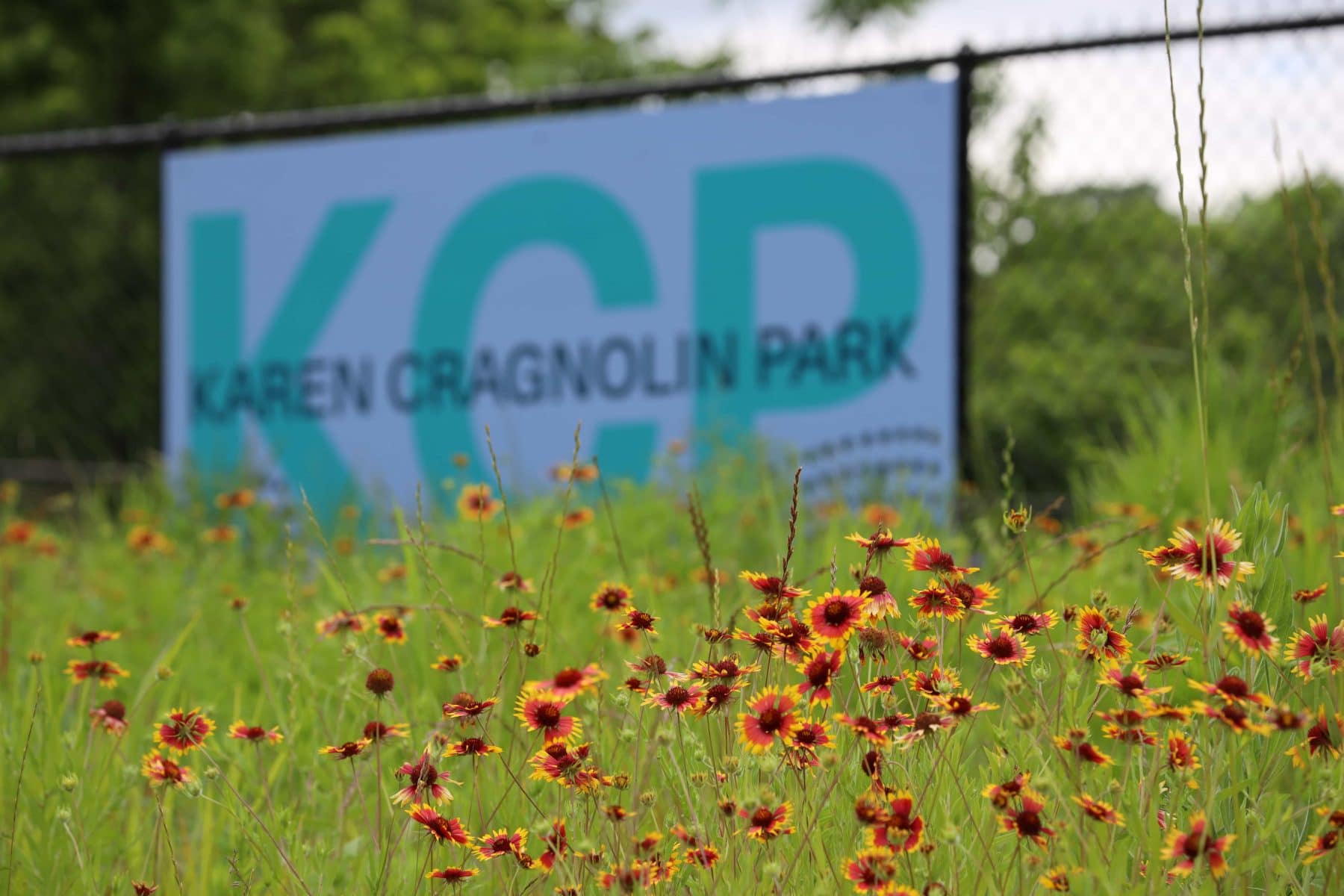
After two years of dedicated invasive plant management, seeding, planting, and care—led by our partners at Patchwork Meadows alongside our staff and incredible volunteers—the meadow at KCP has entered into the “management phase”. Together, we’ve planted thousands of native perennial wildflowers and grasses, spread hundreds of pounds of native seed, and invested countless hours of hands-on care. Our collective efforts have paid off, and we’re excited to see KCP in full bloom this spring.
As we move into this phase, our management of the meadow evolves but continues. Like all landscapes, particularly in an urban environment, this meadow exists within a dynamic system where non-native invasive plants pose a continued threat. Maintaining a thriving native pollinator habitat requires consistent stewardship.
Each season brings its own unique management needs and considerations. Meadows, in particular, are unique in that they depend on disturbance. While mature native forests in our region typically support the highest overall biodiversity, meadows provide a distinct habitat that helps support a wide range of species—especially pollinators, birds, and sun-loving grasses and wildflowers. Without periodic disturbance, natural succession would gradually transform this habitat into a forest.
In the wild, these disturbances often come from grazing animals or periodic wildfires. They help clear away old growth, remove dead stems, and spread seeds. But given KCP’s location and high use, we create disturbance through mowing to mimic these natural systems and maintain the meadow habitat.
Below is a look at how we care for KCP’s meadow throughout the year:
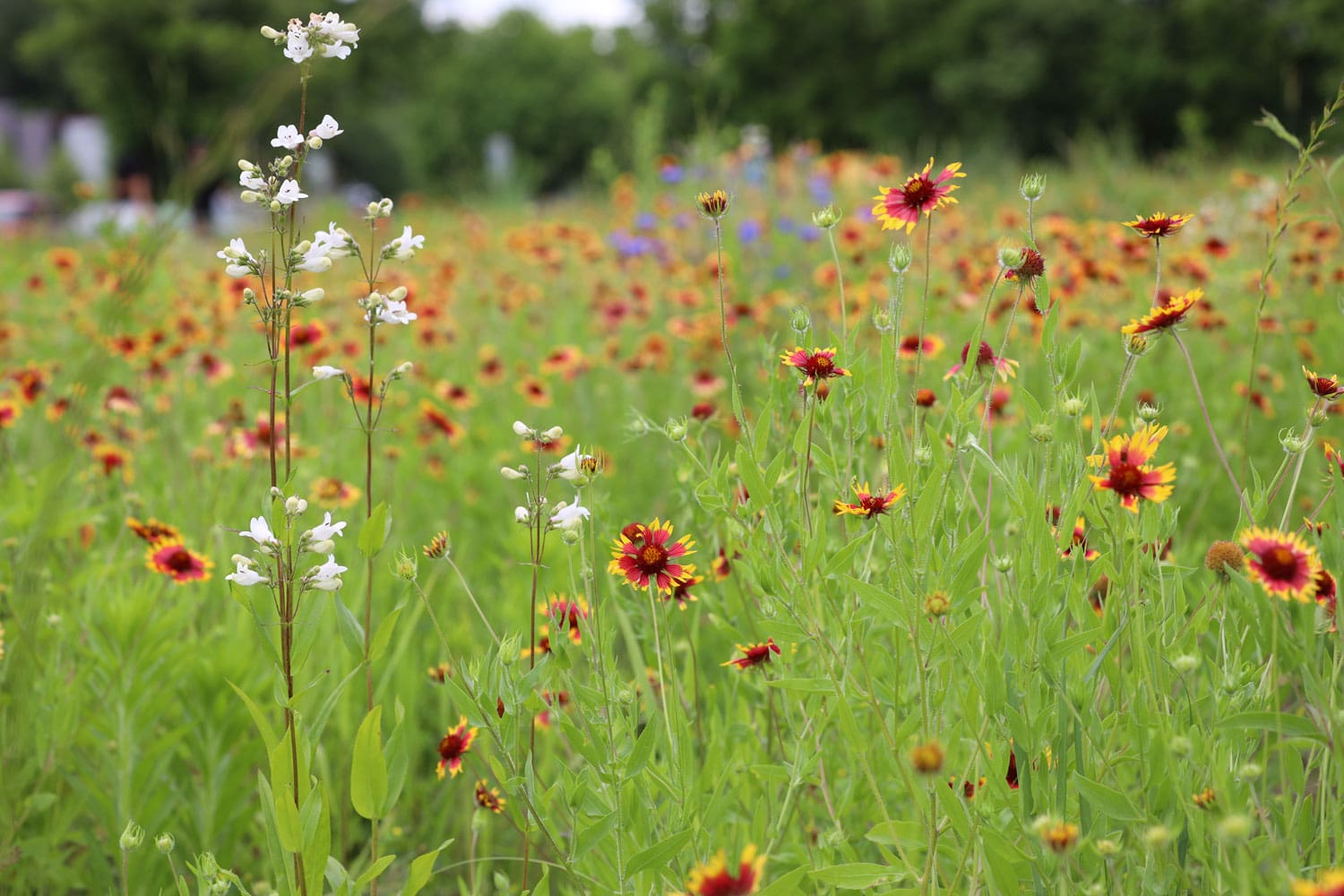
Spring
- Mow the meadow – the disturbance to maintain the meadow habitat. We wait until Spring so insects can overwinter in the plant material and birds can enjoy the seeds
- Begin selective weeding as non-native and undesirable species emerge with Patchwork Meadows and our volunteers
- Launch monthly public volunteer events to support stewardship efforts
- Look forward to incoming blooms! You may see some remnant non-native flower species (poppies, bachelor button, etc.) which were spread by a random citizen two years ago. Don’t worry, our native perennials will eventually outcompete them.
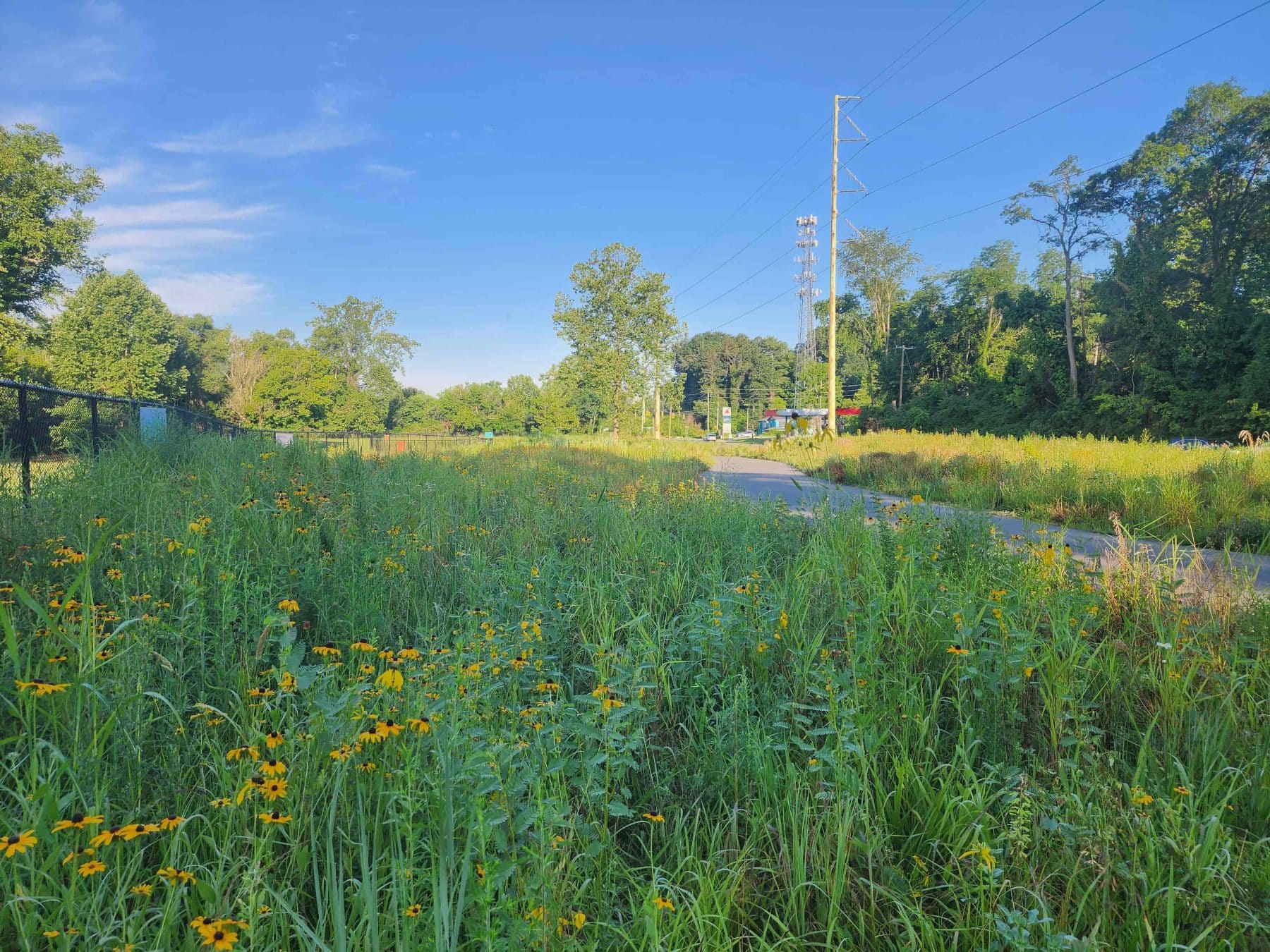
Summer
- Experience peak blooms, beautiful grasses, and wildlife
- Continue invasive species management, with particular attention to warm-season species like Johnsongrass
- Mow the back side of KCP (behind the fence) and remove invasives in the riparian area to prevent seeding into the meadow
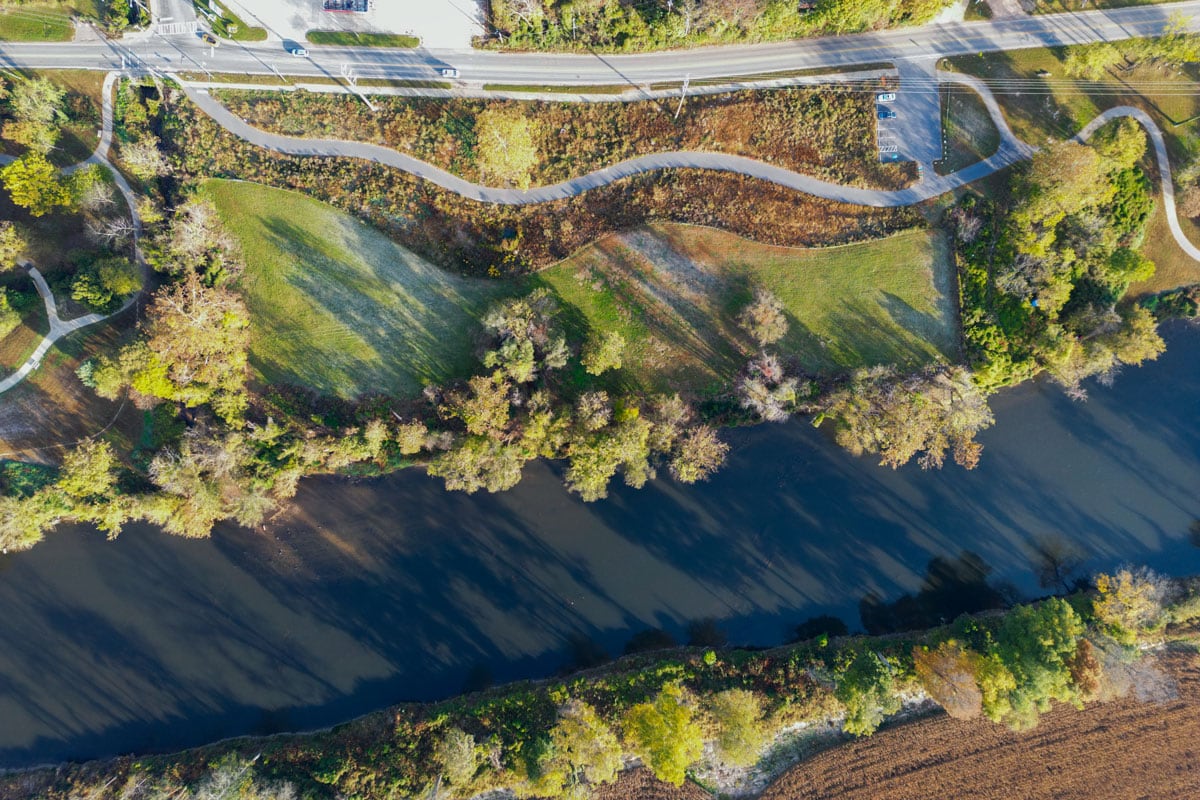
Fall
- Continue invasive plant management, particularly before invasives go to seed
- Enjoy late-season color from grasses and fall-blooming species like asters that continue to support pollinators into fall
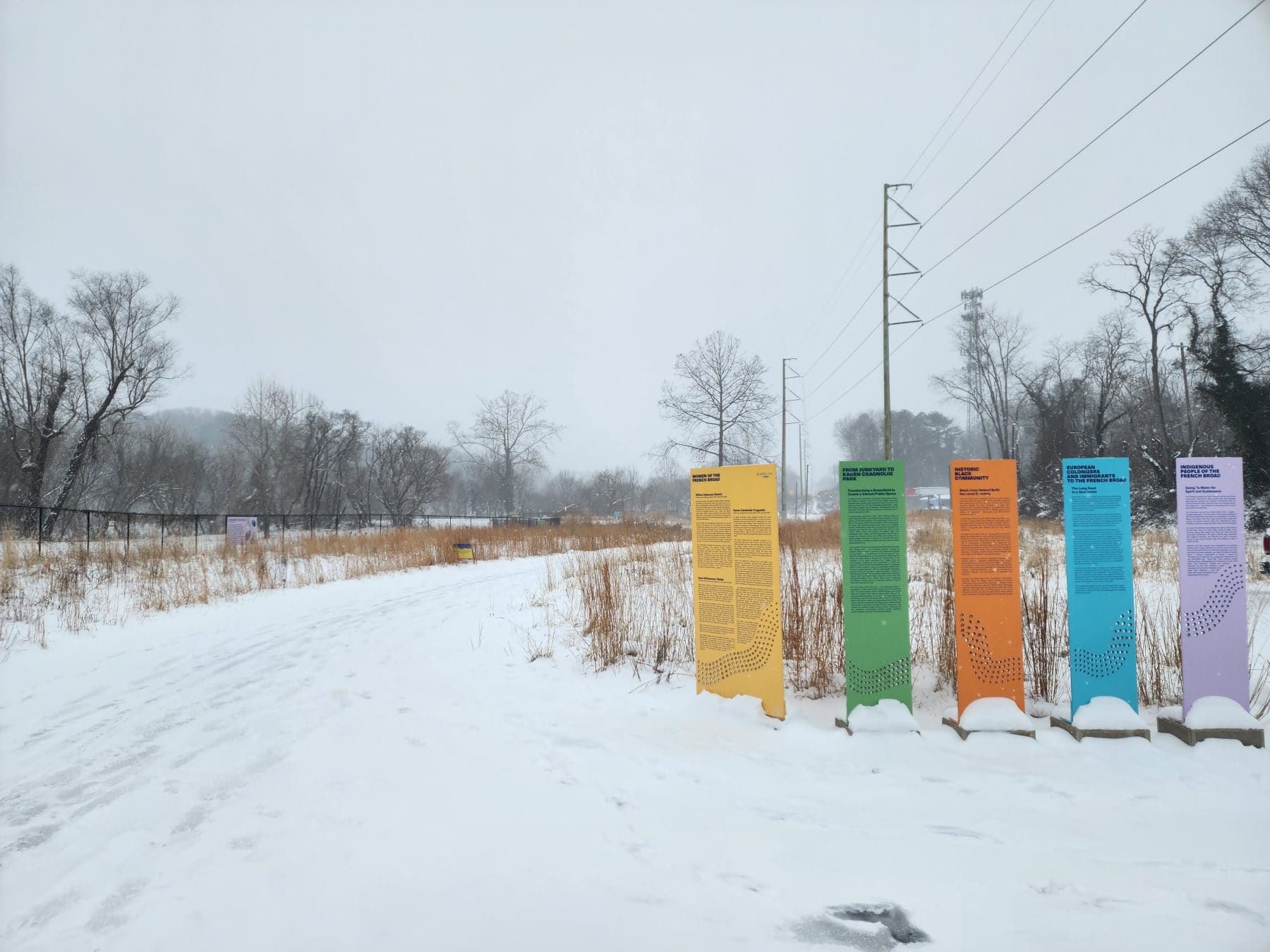
Winter
- Leave vegetation in place to provide shelter and overwintering habitat for insects and wildlife
Beyond the meadow itself, our stewardship extends throughout the park year-round—from litter cleanup and graffiti removal to riparian enhancement and general maintenance—helping to maintain a beautiful and resilient space for both people and wildlife. As the owners of Karen Cragnolin Park, we are committed to her long-term care, ensuring that management of this space continues to prioritize conservation.
Below is additional information and resources on pollinator features if you are interested in learning more or transforming your lawn into a diverse ecosystem.