
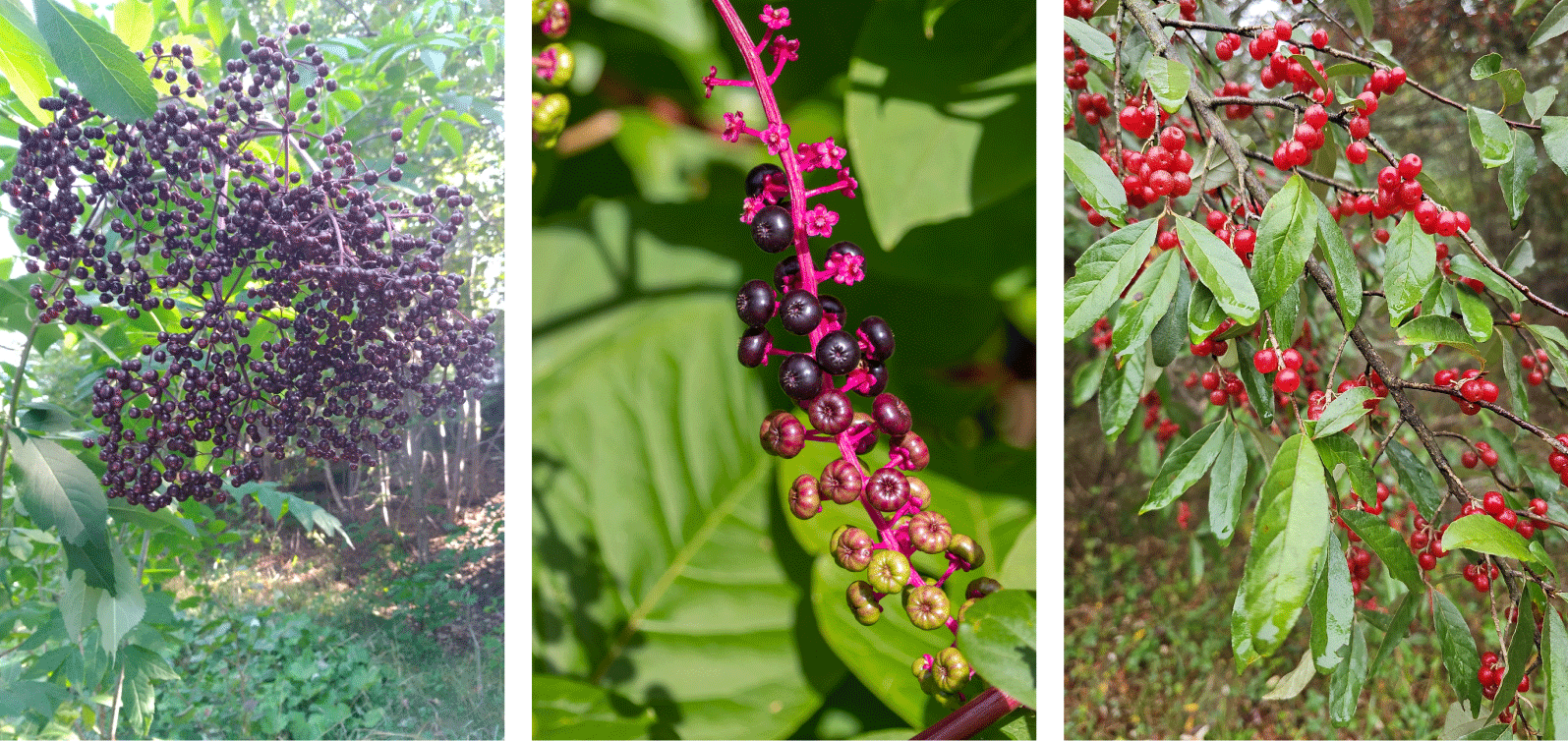
August along the French Broad River Basin is a season of rich abundance. As you walk along the greenways, parks, and trails protected by RiverLink, you will notice native shrubs and climbing vines laden with ripening fruit. Late summer produces a colorful tapestry of wild berries throughout Western North Carolina; some that sustain native ecosystems, others that are strictly meant for wildlife, and several aggressive invaders that require our active community stewardship to keep at bay.
Whether you are strolling near the river or broadening your foraging knowledge, here is your field guide to the berries ripening around Asheville this month.
Native Bounty: Ecological Anchors of Our Streams
Native fruit-bearing plants are essential to healthy riverbanks. Their roots stabilize stream banks against erosion, while their foliage, flowers, and fruits nourish native birds, insects, and mammals.
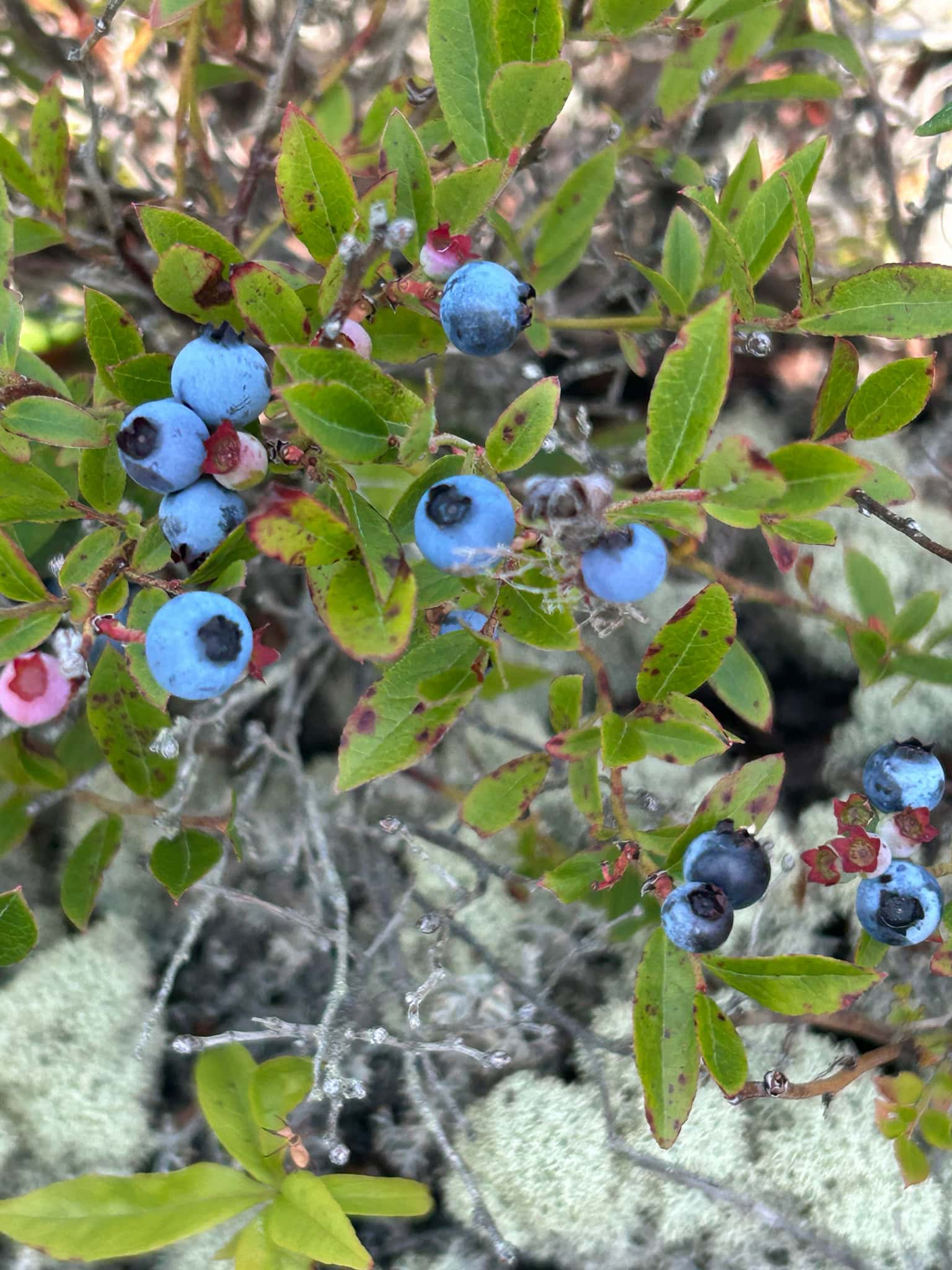
Blackberries & Blueberries: Sunny forest edges host sweet wild blueberries and plump blackberries. These edible favorites offer crucial late-summer nutrition for black bears, songbirds, and human visitors alike.
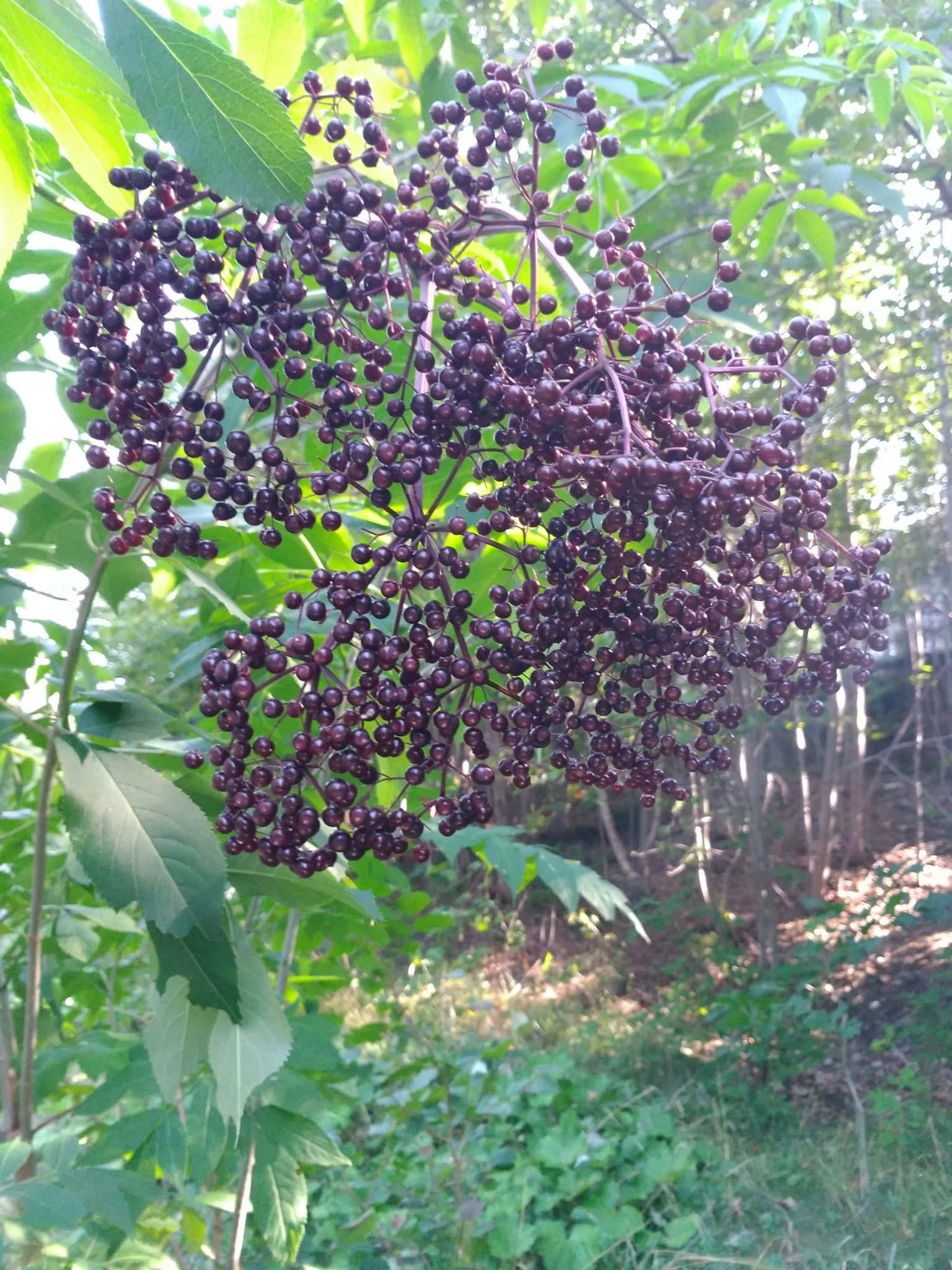
Elderberries (Sambucus canadensis): Recognized by their broad, umbrella-like clusters of tiny purple-black berries, native elderberries thrive in moist soil near water. Long valued in traditional remedies, these berries provide a vital late-summer food source for migrating birds.
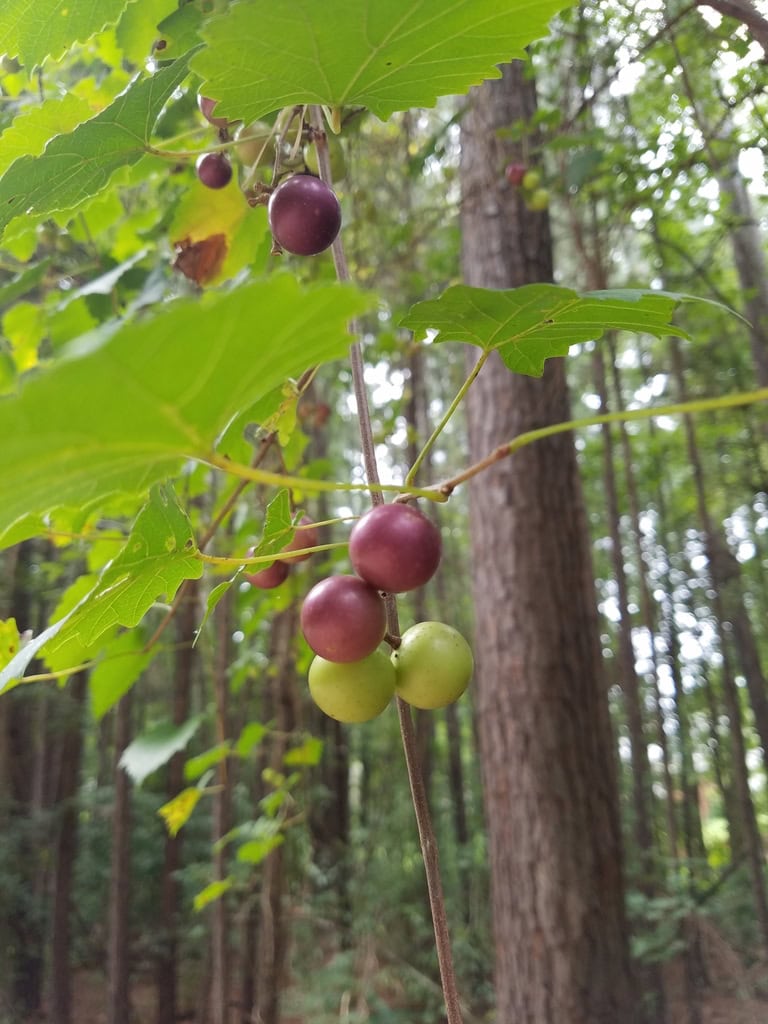
Muscadine Grapes (Vitis rotundifolia): Climbing high into the woodland canopy, these thick-skinned, sweet native grapes ripen in late August, offering high-calorie forage for wildlife throughout the watershed.
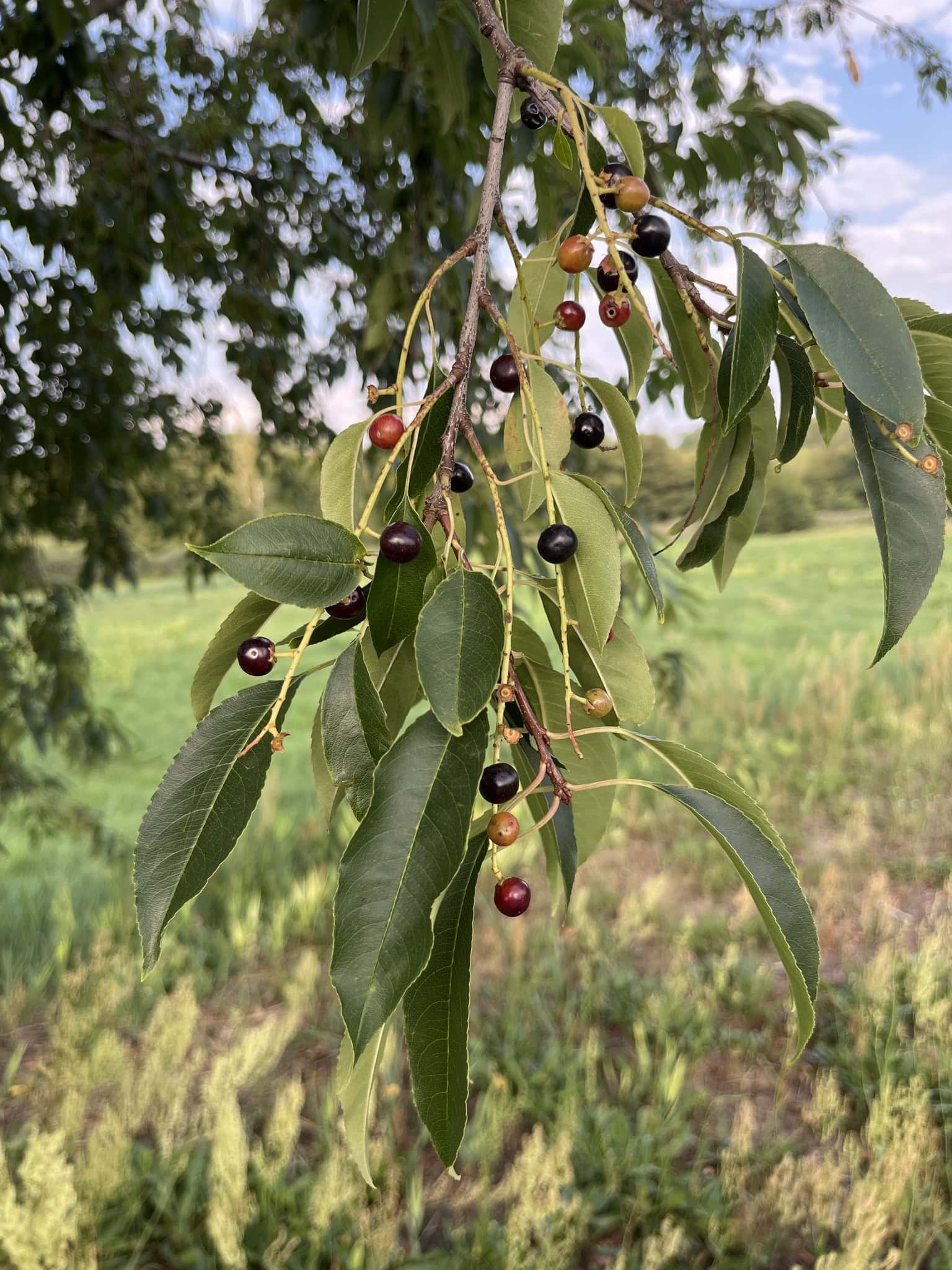
Wild Black Cherries (Prunus serotina): Hanging in delicate dark clusters, native black cherries supply migratory birds with vital energy reserves during their seasonal journeys.
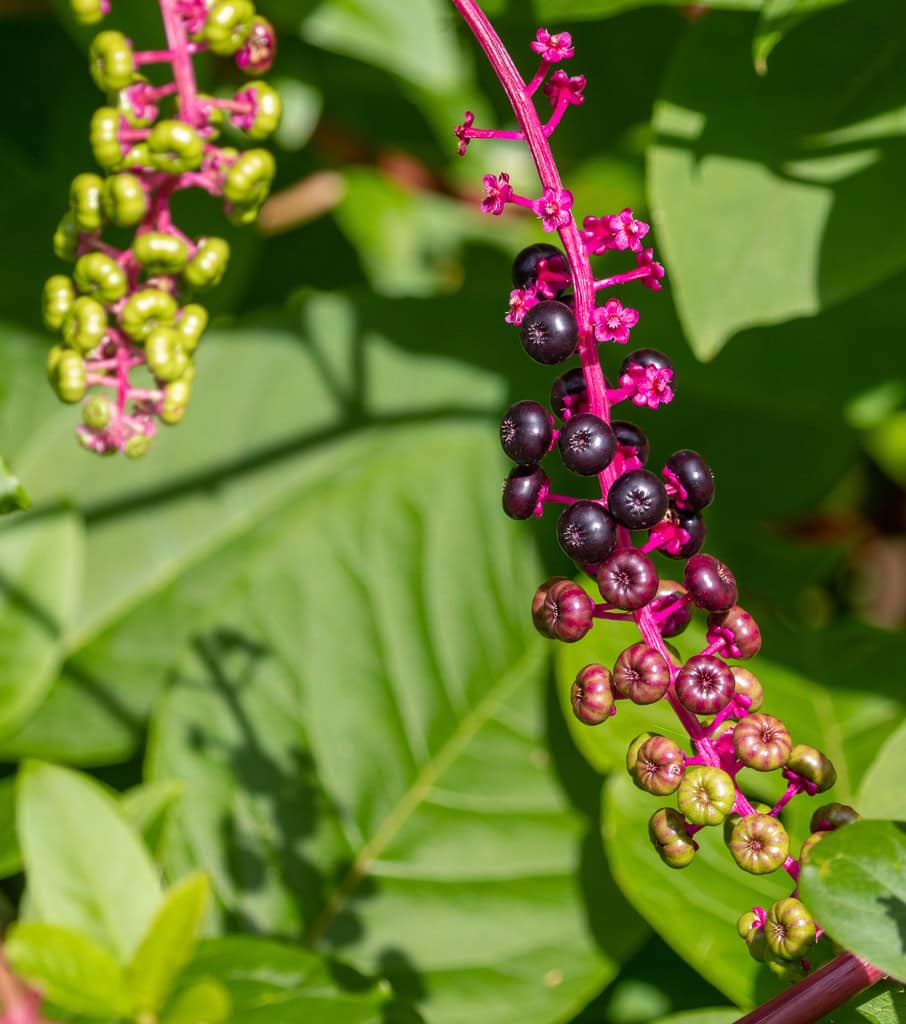
Pokeweed (Phytolacca americana): Featuring bright magenta stems and dark purple berries, pokeweed is a landmark Appalachian native and an important food source for songbirds. Critical note: all parts of the mature plant are toxic to humans and pets.
Invasive Intruders: Threats to Riparian Health
Unlike native species, nonnative plants lack natural controls, allowing them to rapidly carpet river corridors and crowd out diverse plant communities.
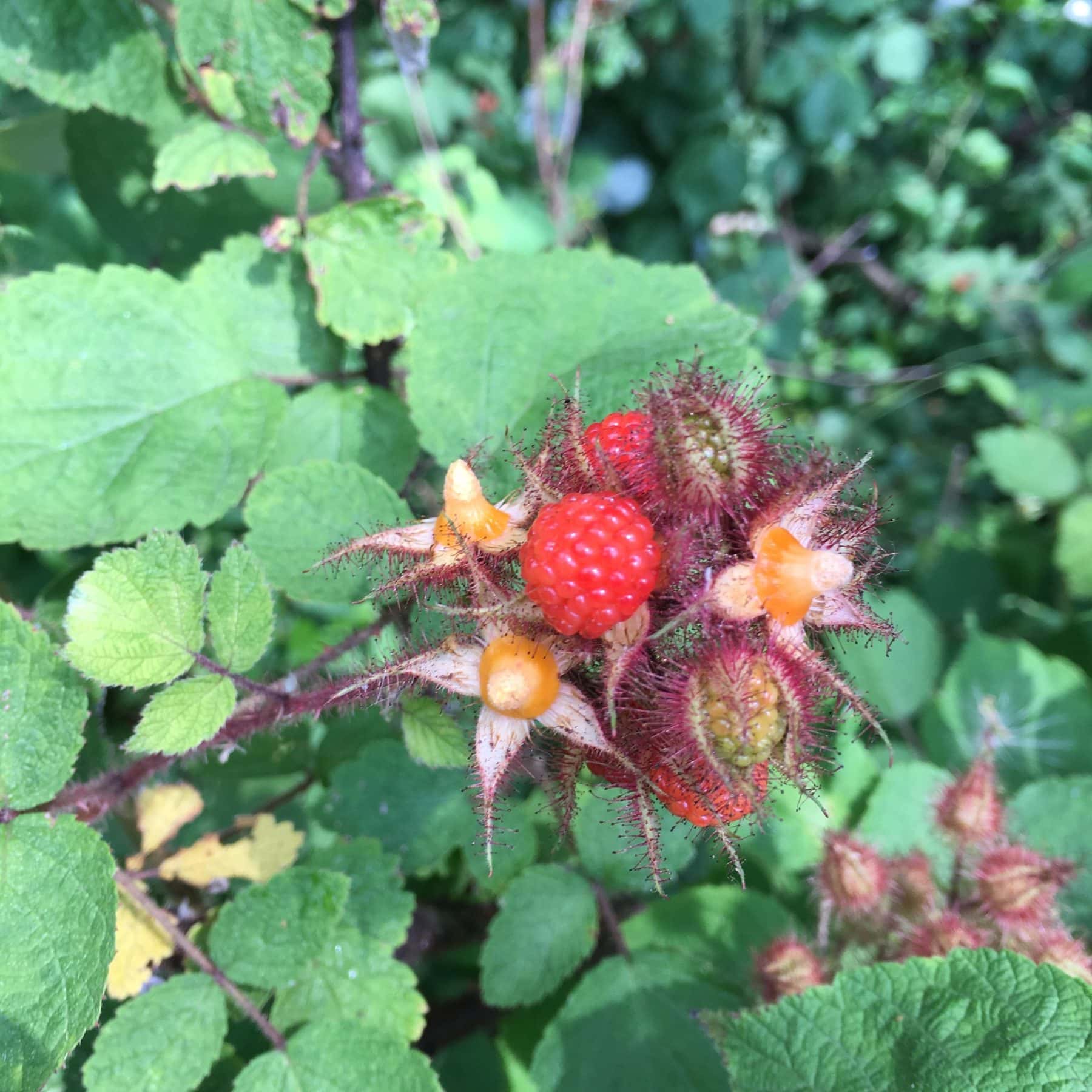
Wineberry (Rubus phoenicolasius): Covered in bristly red hairs, this Asian raspberry relative forms dense, prickly thickets along stream banks. Although its tart red fruit is edible, its aggressive spread chokes out native vegetation.
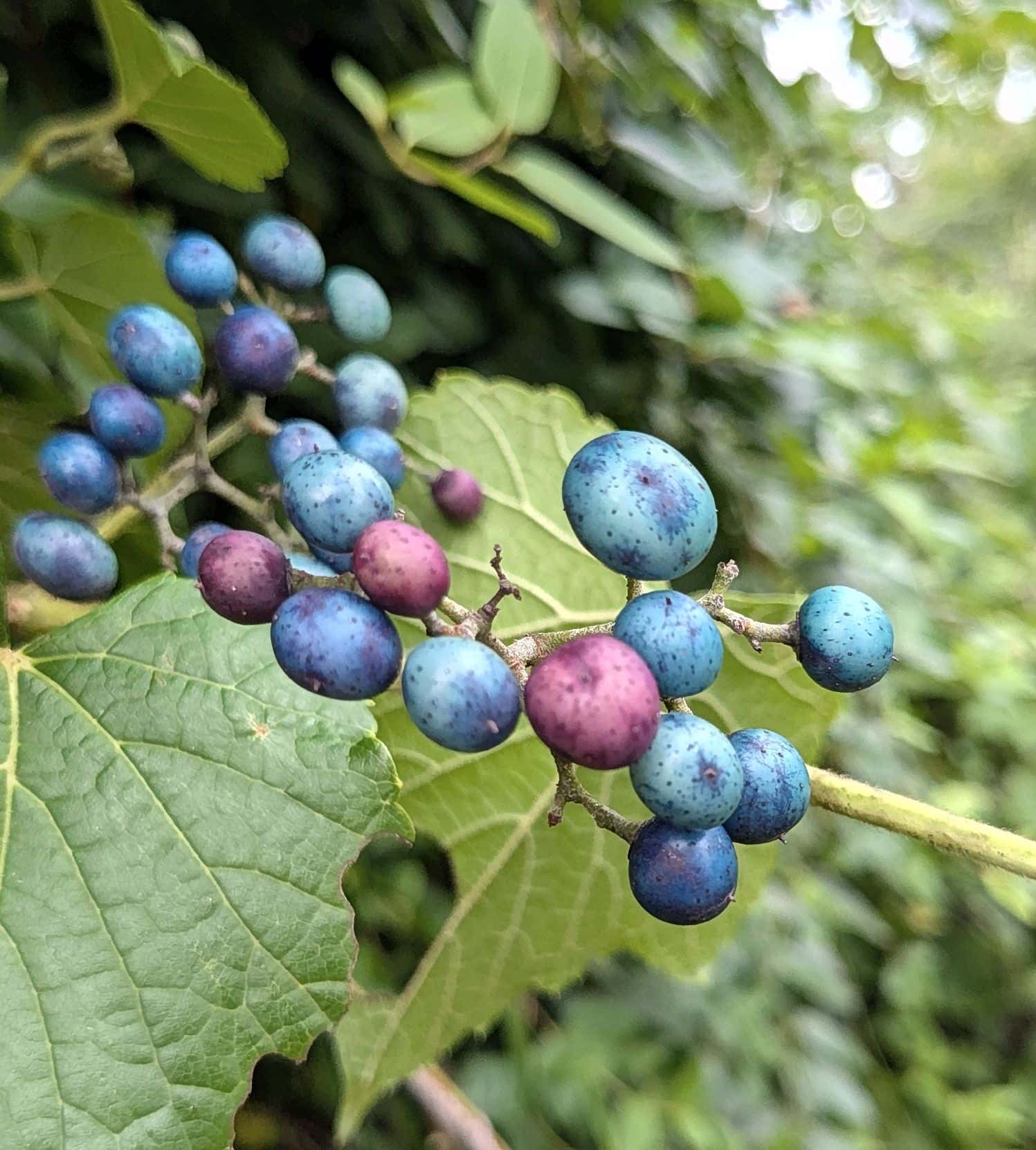
Porcelain Berry (Ampelopsis glandulosa): Displaying jewel-like berries that transition from lilac to bright turquoise, this woody vine climbs rapidly, smothering tree canopies and weighing down native riverbank vegetation.
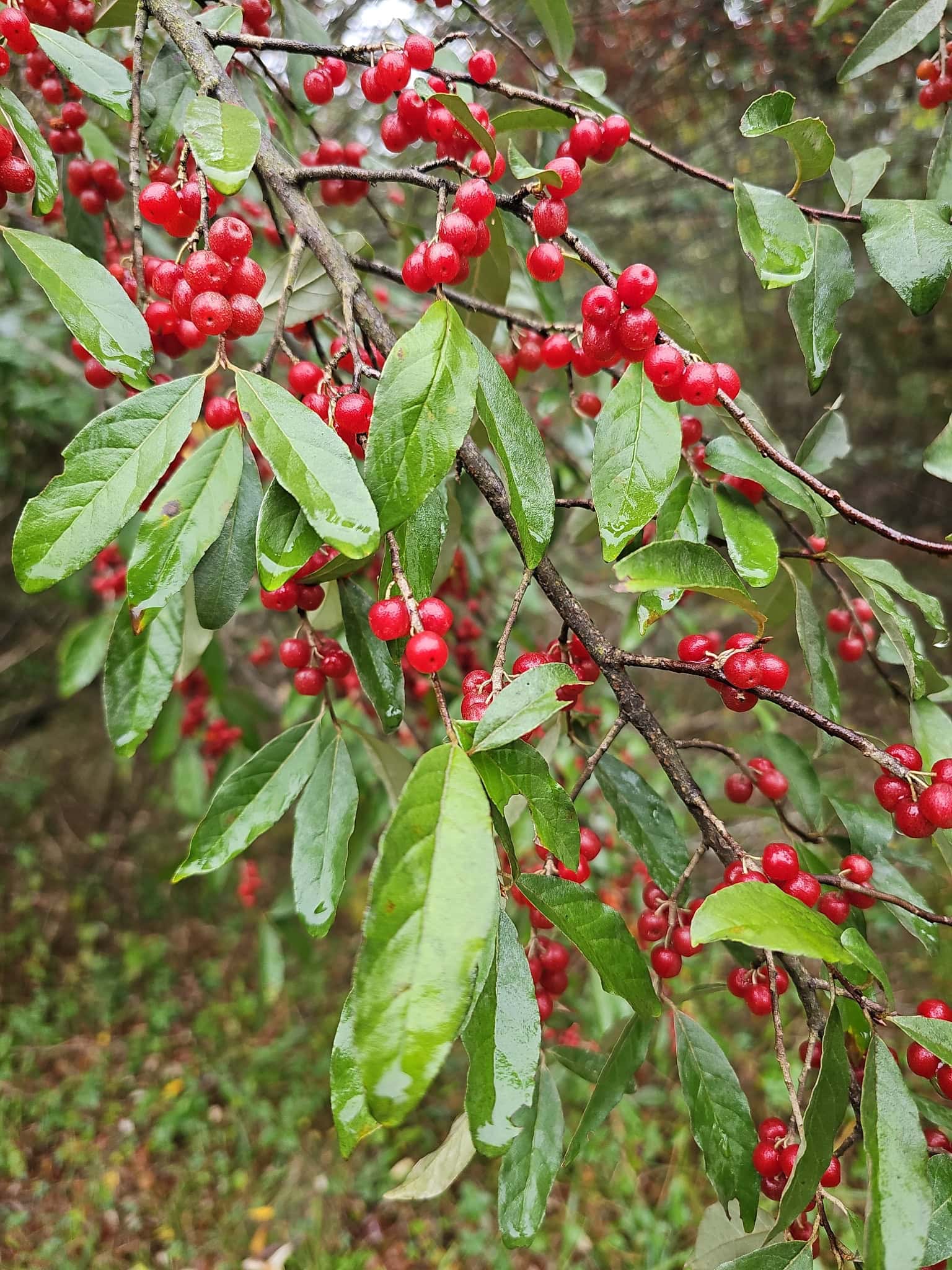
Autumn Olive (Elaeagnus umbellata): Easily identified by its silvery-undersided leaves and speckled red fruit, this fast-growing shrub disrupts native soils and casts heavy shade over native understory plants.
Protecting Our Watershed Together
Managing invasive species along delicate riparian zones is essential for preserving water quality and supporting wildlife diversity. RiverLink relies on valuable partnerships to advance this restoration work. We extend our sincere gratitude to EcoForesters, whose specialized forestry team works tirelessly to control invasive plants across local parks and conserved natural areas.
You can join this crucial mission today:
- Manage Invasives at Home: Learn to spot wineberry, porcelain berry, and autumn olive on your property, removing roots before seeds disperse.
- Volunteer with RiverLink: Sign up for an upcoming community workday to remove invasive plants and help restore native riverbank habitats. Click here to see current volunteer opportunities.
Next time you explore a RiverLink property, take a moment to admire our seasonal berries and thank a native plant for keeping our river resilient!