River Cane & Recovery
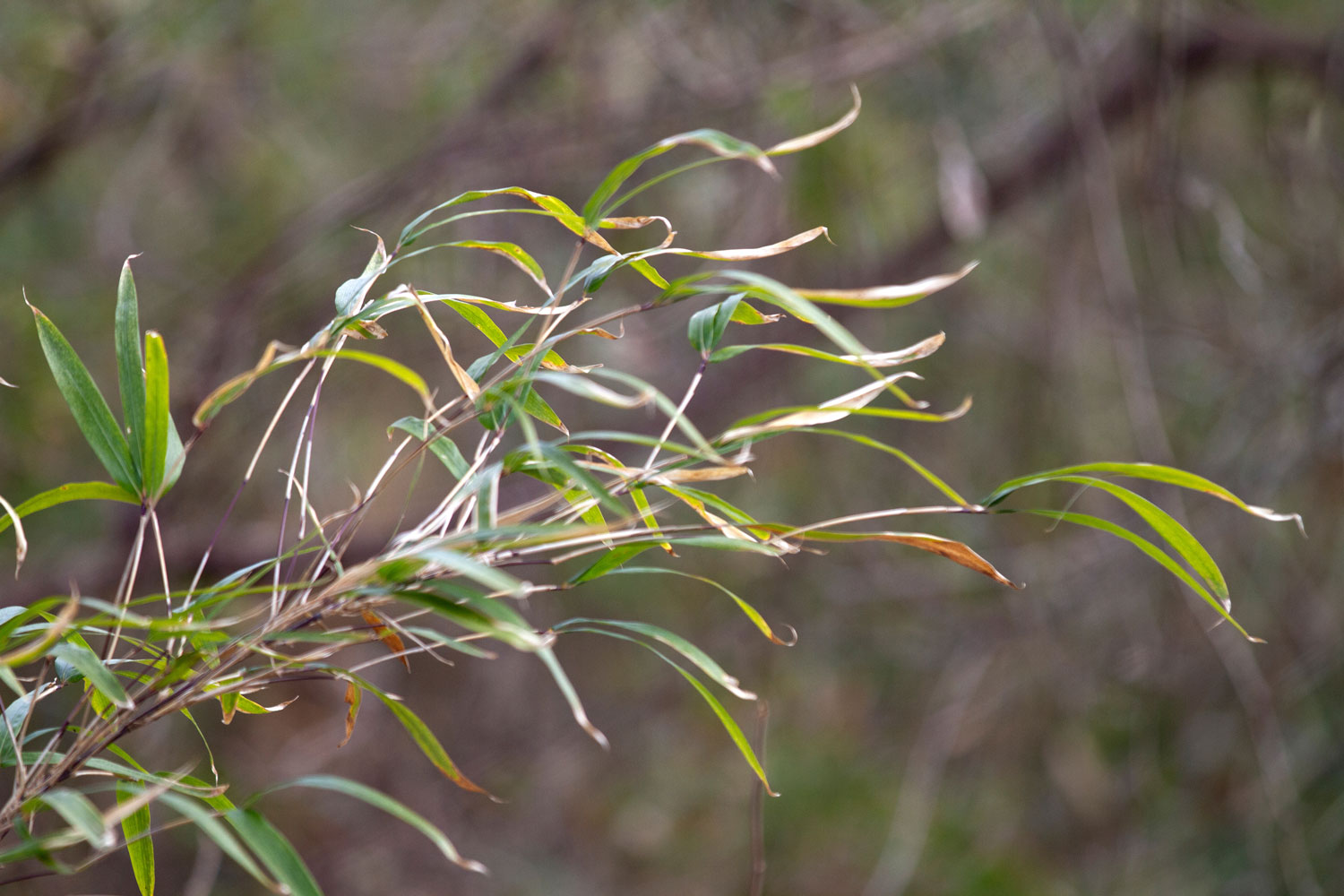
Since Helene devastated the waterways of Western North Carolina, the need for rebuilding resilient riparian areas has never been greater. A neglected native species may be part of the solution. River cane (Arundinaria gigantea), one of the Southeast’s only native bamboos, once lined creeks and rivers across the region in dense colonies known as “canebrakes.” Now reduced to some two percent of its former range, river cane’s super power is its network of dense, interlocking root systems. Mature canebrakes prevent streambank erosion and reduce water pollution by slowing stormwater and buffering polluted runoff. In fact, streams with mature cane stands fared better during Helene’s catastrophic flooding. River cane also carries deep cultural significance. For centuries, the Eastern Band of Cherokee Indians and other tribes have used river cane for baskets, fish traps, arrow shafts, and more. So there’s a lot of interest in restoring our native bamboo. Unfortunately, a commercial source for river cane does not currently exist.
Mission Possible: Grow a Supply Chain from the Ground Up
RiverLink is on a mission to create a dependable regional supply to support recovery and watershed restoration for the long term. We’ve begun recruiting local growers, and in spring of 2027, the first three local nurseries will be growing river cane at a commercial scale. Thanks to a generous grant from the Center for Disaster Philanthropy’s Western NC Recovery and Resilience Fund, we’ll continue building this network of growers, restoration practitioners, non-profits, and other partners to expand the supply chain and jumpstart market development. Data collected throughout this project will be used to help create industry standards for commercial river cane propagation, to inform growers across the eight-county French Broad River Basin and beyond.
Meet the Cane Growers
We are thrilled to be partnering with three local plant nurseries to produce a reliable and robust supply of river cane to plant in riparian restoration projects. Each of these highly skilled growers bring extensive experience and passion to this project.
Tanager Plants
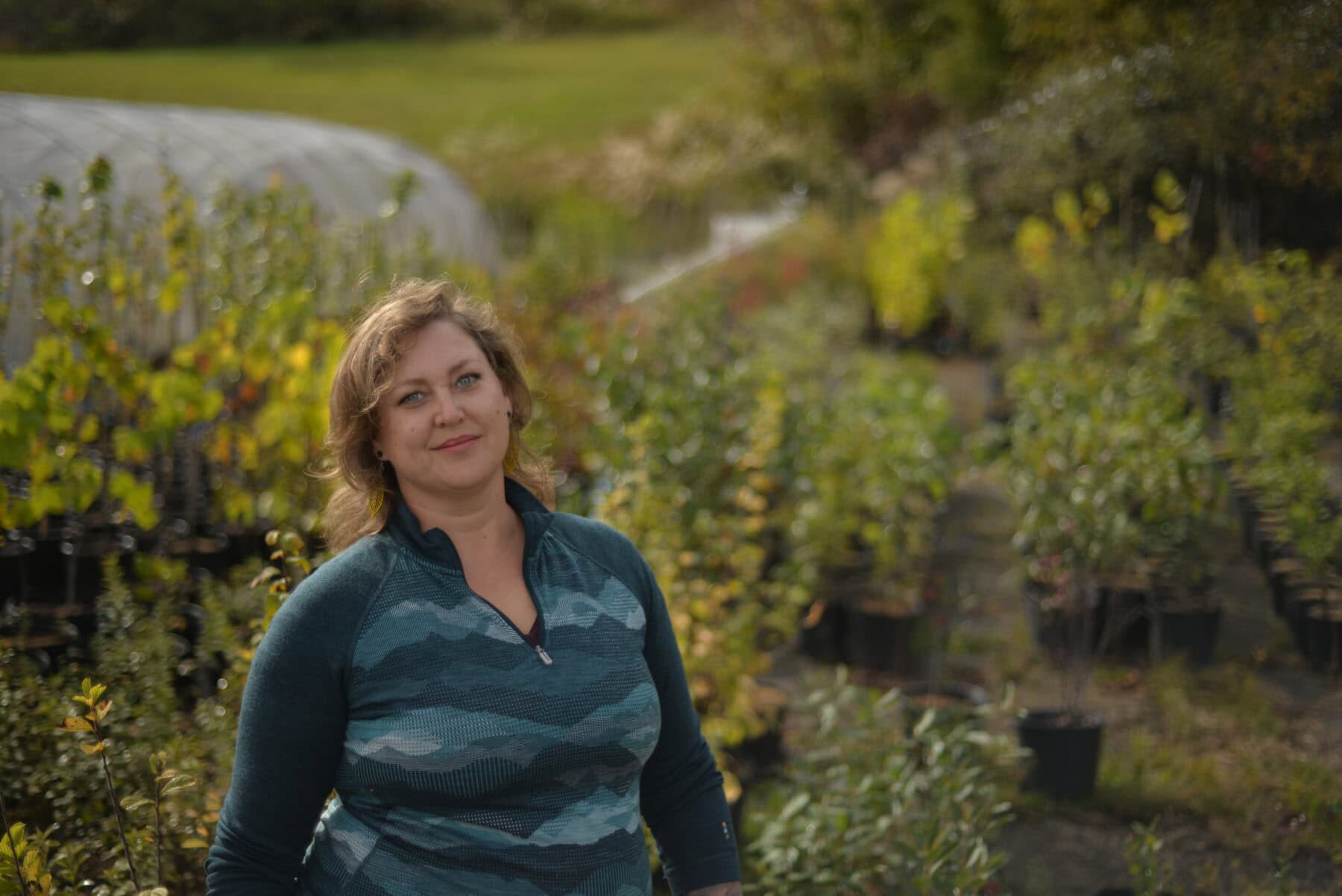
Based in Mars Hill, is owned and operated by Emily Driskill. A longtime native-plant grower, Emily has been drawn to river cane for years and is eager to learn more about it and to help others appreciate its special place in the world. Her strong background in the natural sciences, including ethnobotany, brings a vital understanding of complex ecology to her horticulture.
Carolina Native Nursery
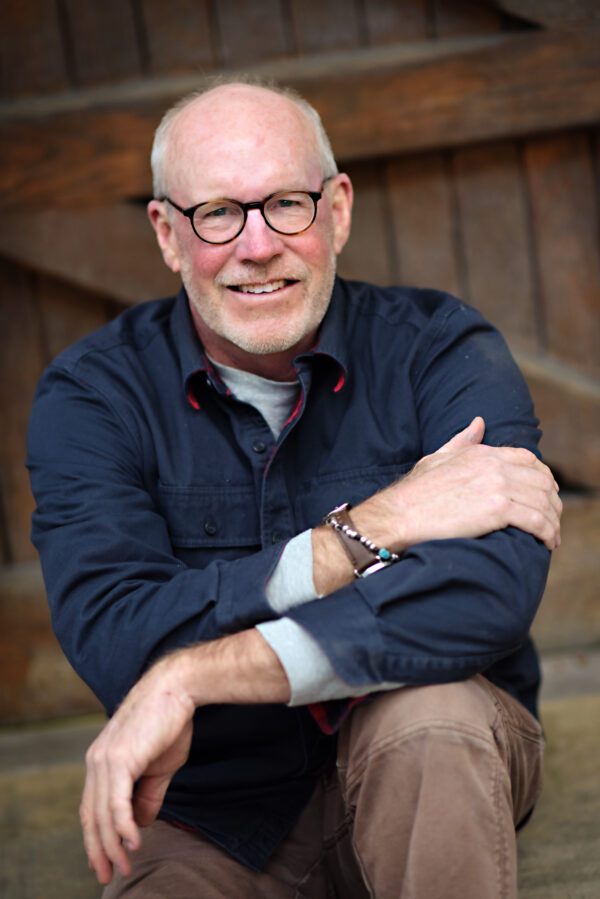
Bill Jones is president and founder of this Burnsville-based operation specializing in southeastern native plants, with a mission to preserve regional flora and support natural ecosystems. In addition to decades of experience growing native plants, Bill has also served as a board member for several conservation organizations in Asheville and Charlotte, NC.
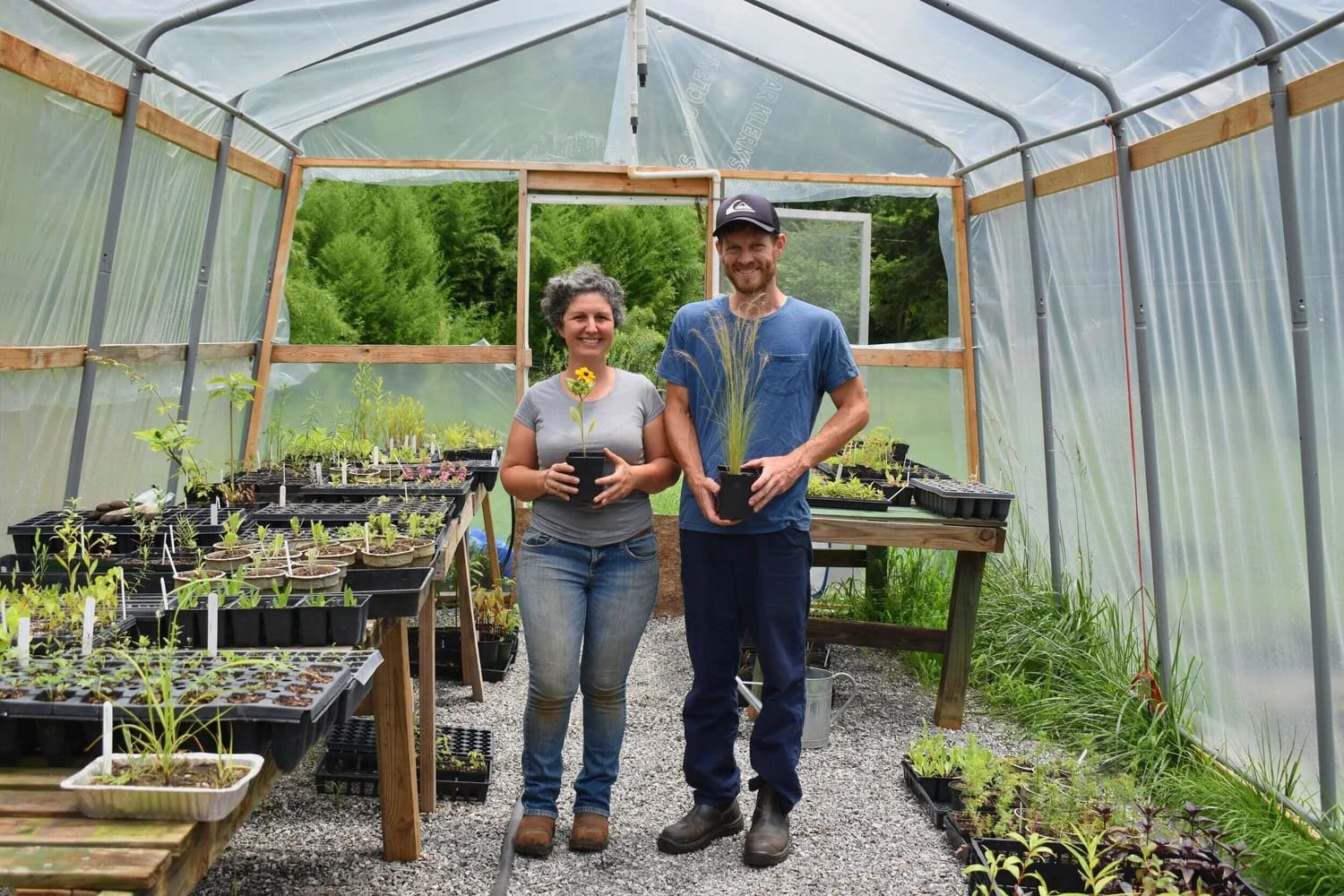
Saturnia Farm
This nursery, flower farm, and homestead is owned and operated by Ben Pick and Sarah Coury. With a background in horticulture and conservation, their mission is to provide holistically-grown, affordable specialty perennials, natives, and edible landscaping plants for the beautification and ecological benefit of Western North Carolina.
How Can(e) I Help?
Do you have river cane in your neighborhood or on your property? Knowing where river cane is currently growing is useful in guiding restoration efforts. Help us document existing river cane populations by filling out this survey. If you’re interested in volunteering to be a part of river cane volunteer days, please email rivercane@riverlink.org.